
Bear Market Trends Threaten Bitcoin's May Rally
Bitcoin's recent rally to $80,000 may be a bear market trap as analysts predict a red May.
U.Today1 min read
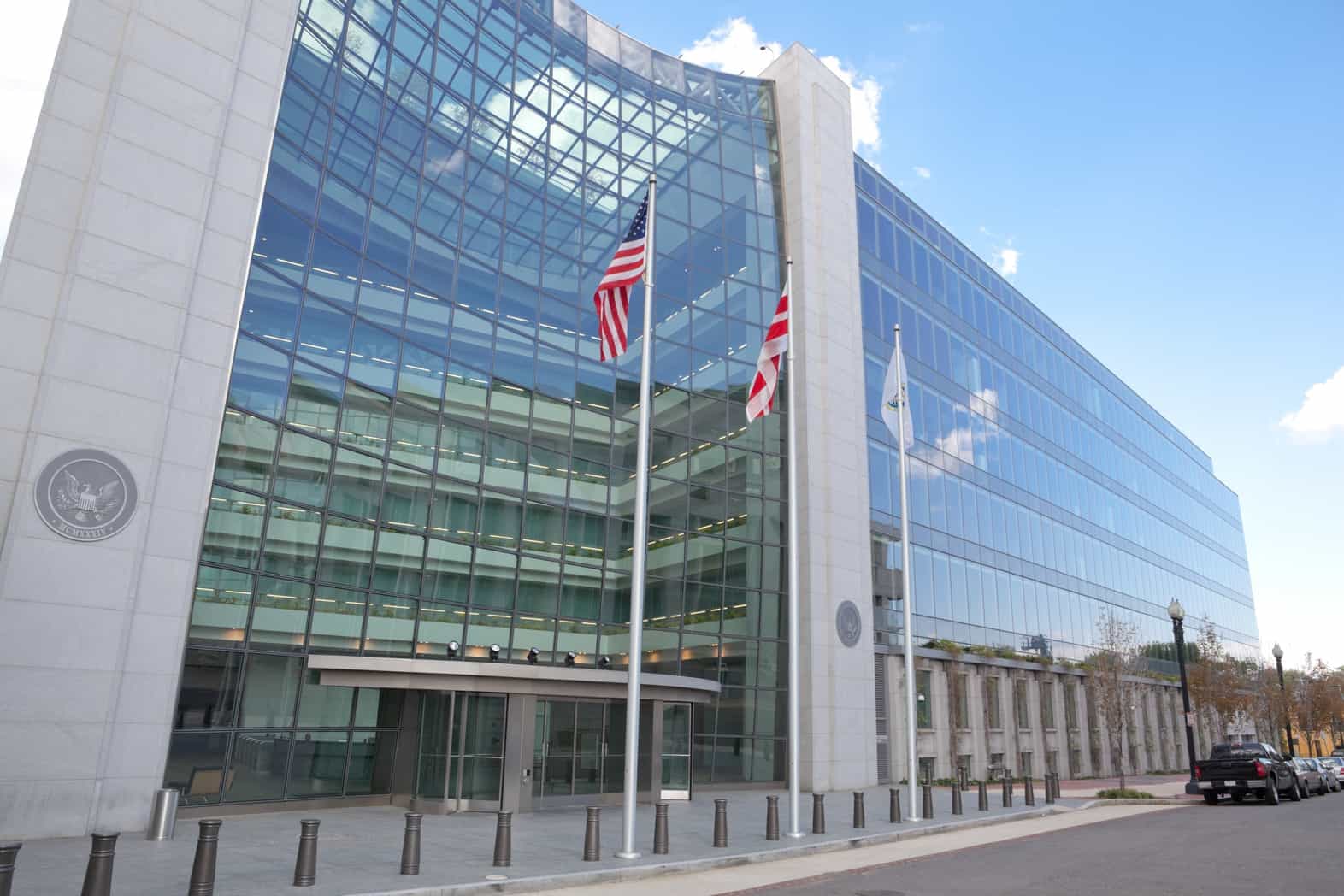
The SEC has clarified that certain user interfaces for crypto asset securities may not require broker-dealer registration. This guidance could benefit the XRP Ledger's built-in DEX, which aligns with the SEC's criteria.
The US Securities and Exchange Commission (SEC), on April 13, published a staff statement clarifying that certain user interfaces for crypto asset securities may not need broker-dealer registration.
According to a community contributor, the XRP Ledger’s built-in DEX appears to fit the criteria almost by accident.
In its statement, issued under its Project Crypto initiative, the SEC for the first time made a distinction between a trading platform and a pure interface layer.
The agency said that a user interface that lets someone prepare and submit crypto transactions from their own self-custodial wallet may not require broker-dealer registration, provided it meets some specific conditions, such as not holding user funds, not routing or executing orders itself, and not offering investment advice or price commentary. They must also only charge a fixed fee and must give users full control over transaction parameters.
Where XRPL enters the picture is through the structure of its protocol. Vet, a dUNL validator on the network, explained that the protocol has a built-in decentralized exchange, which includes its own order books, an automated market maker, and the ability to handle cross-currency transactions directly on the ledger without needing any outside contracts.
“Providing just access to the XRP DEX doesn’t require registration,” they wrote on X. “Because you don’t hold user funds and transaction routing is protocol level as well as execution and ordering.”
It means that the interface simply connects users to XRPL’s native DEX, without executing orders, holding funds, or routing transactions through proprietary systems, thus mapping quite closely to what the SEC described as acceptable.
The practical effect of the SEC’s move is that now, US-based developers building interfaces or DEX frontends on XRPL have a clearer path to operating without having to register as broker-dealers, as long as they stay within the conditions the agency outlined.
However, the same clarity may be harder to claim for teams building on smart contract platforms where the contracts themselves handle order routing and execution in ways that may not fit the regulator’s definition of passive interface.
The SEC's new rule suggests that the XRP Ledger's DEX may not need broker-dealer registration, potentially allowing it to operate with fewer regulatory hurdles.
User interfaces must not hold user funds, execute orders, provide investment advice, charge only fixed fees, and allow users full control over transaction parameters.
The SEC issued the statement on April 13, as part of its Project Crypto initiative.
Bitcoin's recent rally to $80,000 may be a bear market trap as analysts predict a red May.

CME Group to introduce Bitcoin Volatility Futures on June 1, 2026, pending CFTC approval.
SEC hints at new regulations for prediction markets, emphasizing compliance and transparency.
Ethereum sees increased activity and consolidation as Binance records large inflows.
XRP Ledger Foundation announces major upgrades to enhance financial ecosystem

Bitcoin Investors Take Profits as BTC Rallies to 3-Month High
See every story in Crypto — including breaking news and analysis.
“It could well be one of the greatest differentiating factors of the XRPL as compared to smart contract based DeFi products,” stated XAO DAO co-founder Santiago Velez.
The XRP Ledger’s technical track record also adds weight to the practical case, with data recently shared by Vet showing the network sustained more than 140 transactions per second during a period of heavy load, with consistent three-to-four second settlement times and fees that remained at cents throughout. Furthermore, there has been increased usage of XRPL, with a report from March revealing that wallets on the network had surpassed the 7.7 million mark.