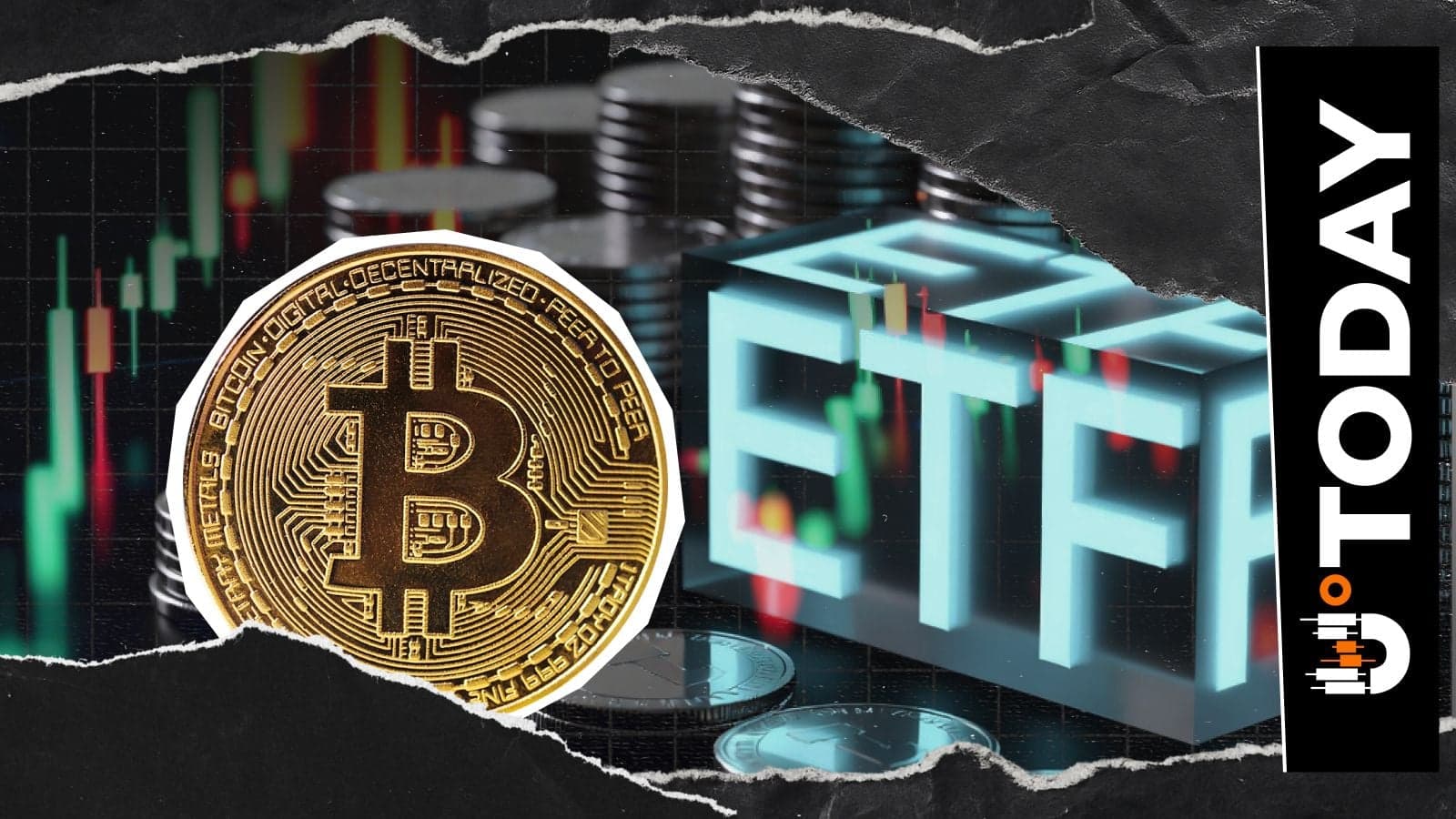
Bitcoin ETFs Bleed $1.2 Billion
US Bitcoin ETFs see $1.2 billion in withdrawals, marking a tough week for the market.
U.Today1 min read

Shin Hyun-song, the nominee to lead the Bank of Korea, advocates for a central bank digital currency (CBDC) and bank-issued deposit tokens as the foundation of South Korea's digital money system, with stablecoins in a secondary role. He emphasizes the need for trust in any currency, including a proposed won-based stablecoin.
Shin Hyun-song, the nominee to lead the Bank of Korea, said a central bank digital currency (CBDC) and bank-issued deposit tokens should form the core of South Korea’s digital money system, with stablecoins playing a secondary role.
"I expect that central bank digital currencies and deposit tokens will be able to coexist with stablecoins in a manner that is supplementary and competitive to each other,” he said, Yonhap reported, citing the Bank of Korea.
In written remarks submitted to parliament ahead of his confirmation hearing on April 15, Shin said he supports introducing a won-based stablecoin, but stressed that trust in the currency must come first, according to Yonhap.
He framed stablecoins as useful tools for trading tokenized assets and enabling programmable payments, not as a replacement for state-backed money.
His proposal aligns with the central bank’s existing position that stablecoin issuance should begin with regulated banks. Shin pointed to compliance demands such as anti-money laundering and customer checks as reasons to start with established lenders, which already meet these standards.
He also questioned claims that blockchain-based coins would improve foreign exchange efficiency, pointing to uncertainty around regulatory compliance and added costs.
Of cryptocurrencies more broadly, Shin said digital assets fall short of money’s core roles as a unit of account, a medium of exchange and a store of value.
The Bank of Korea has warned that privately issued tokens could pose risks to monetary policy and financial stability, and has called for strict oversight including anti-money laundering and customer verification rules.
Shin's remarks come as policymakers debate how far to open the market. While regulators have pushed for bank-led models, lawmakers have proposed broader frameworks that would allow non-bank issuers under new legislation.
The country’s first fully regulated stablecoin, KRW1, debuted in February through a partnership between crypto custody service provider BDACS and Woori Bank.
Shin Hyun-song believes stablecoins should play a secondary role to central bank digital currencies and bank-issued deposit tokens in South Korea's digital money system.
Shin supports the introduction of a won-based stablecoin but stresses that trust in the currency must be established first.
He advocates that stablecoin issuance should begin with regulated banks to ensure compliance with anti-money laundering and customer verification standards.
US Bitcoin ETFs see $1.2 billion in withdrawals, marking a tough week for the market.

XRP's latest breakout attempt above $1.50 fails, dropping back to $1.40.
Bitcoin jumps to $77K as Trump hints at Iran peace breakthrough.

Could Kevin Warsh's Fed Chair Appointment Boost Bitcoin Prices?
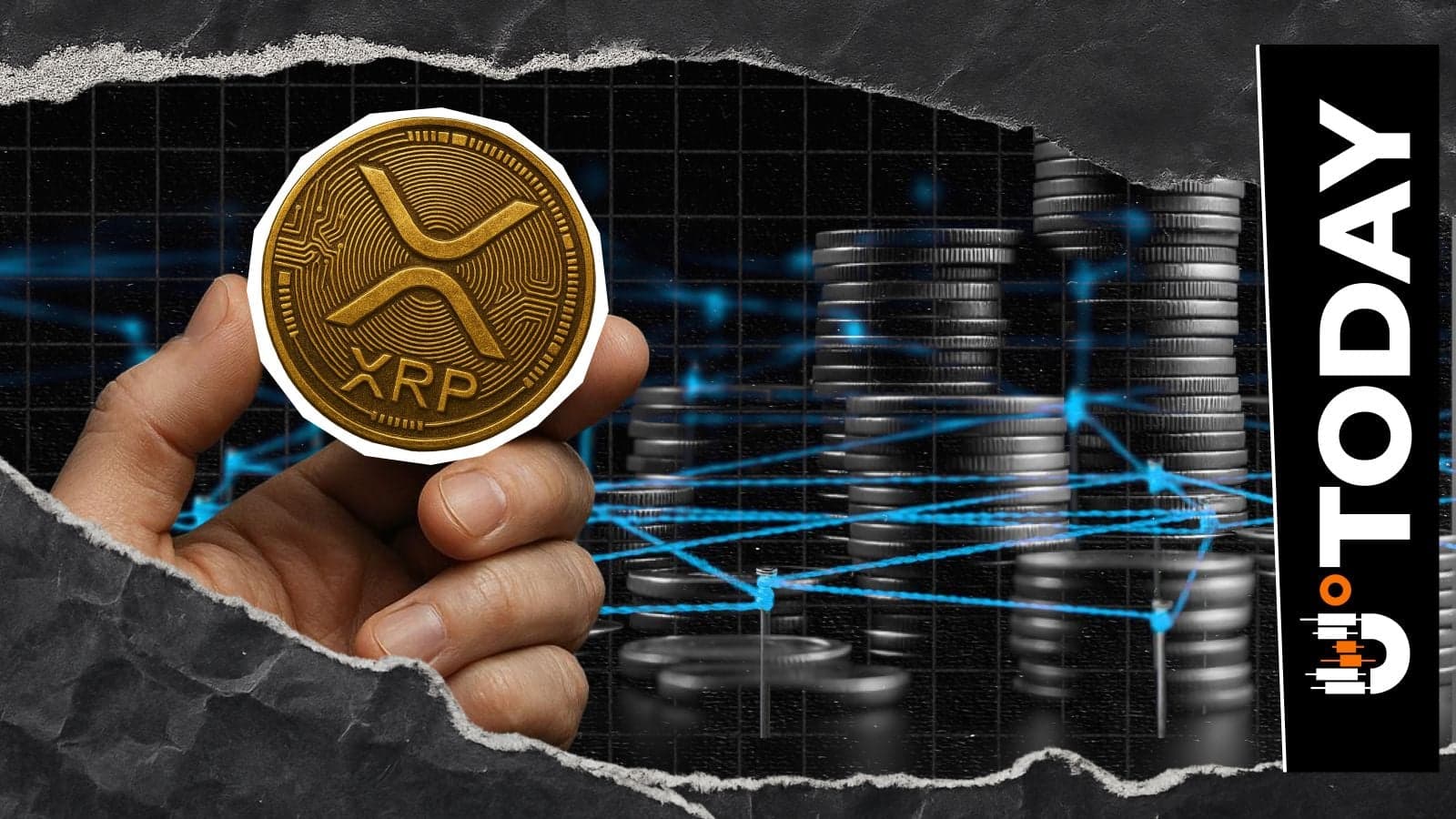
XRP's 'fixCleanup3_1_3' amendment achieves 100% consensus, activating soon!
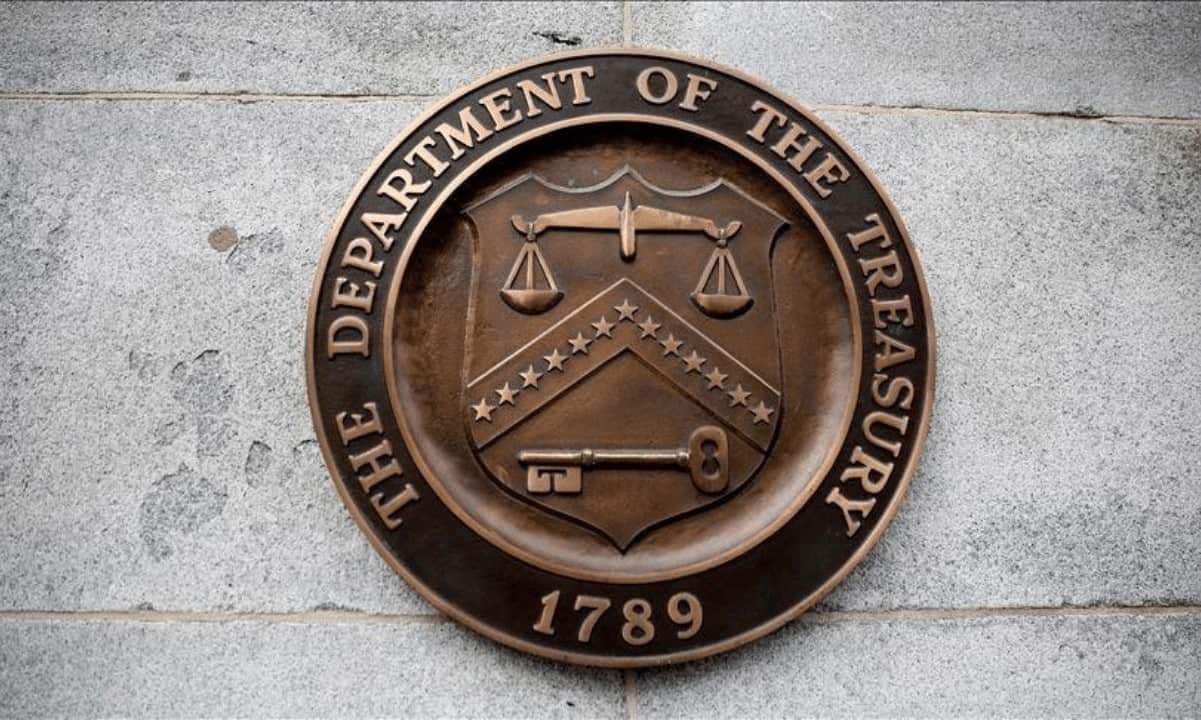
US Treasury imposes sanctions on Sinaloa Cartel associates for crypto money laundering.
See every story in Crypto — including breaking news and analysis.