Bitcoin Developer Plans to 'Reassign' Coins Linked to Satoshi Nakamoto in Hard Fork
TL;DR
Paul Sztorc, CEO of LayerTwo Labs, has proposed a Bitcoin hard fork named eCash that aims to reassign coins linked to Satoshi Nakamoto to eCash investors. The plan involves manually reallocating about 500,000 Bitcoin from the 'Patoshi pattern'.
Key points
- Paul Sztorc proposed a Bitcoin hard fork called eCash
- The fork aims to reassign coins linked to Satoshi Nakamoto
- About 500,000 Bitcoin will be reassigned to eCash investors
- The 'Patoshi pattern' is associated with early Bitcoin mining
- Previous hard forks have had limited long-term success
Mentioned in this story
Paul Sztorc
eCashSatoshi Nakamoto
In brief
- LayerTwo Labs CEO Paul Sztorc has proposed a Bitcoin hard fork called eCash.
- The fork would clone and "reassign" coins linked to Bitcoin creator Satoshi Nakamoto and give them to eCash investors.
- Previous Bitcoin and Ethereum hard forks have been far less successful than the originals long-term.
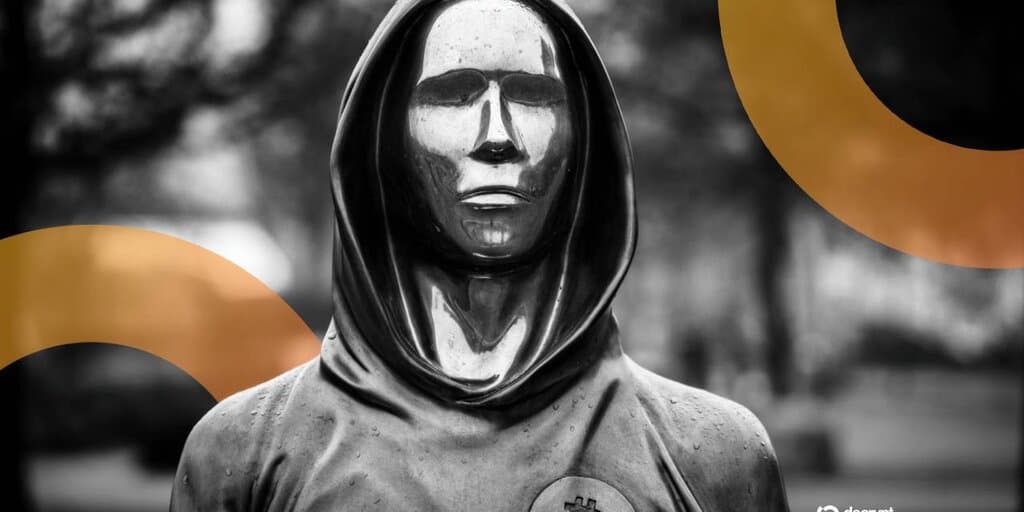
Bitcoin developer Paul Sztorc has proposed a hard fork that would reassign some of the earliest coins on the original crypto network—widely believed to belong to pseudonymous creator Satoshi Nakamoto—to investors in a new project.
The co-founder and CEO of LayerTwo Labs, Sztorc announced the project, called eCash, on Friday. The plan would “manually reassign” about 500,000 of the roughly 1.1 million Bitcoin associated with the so-called “Patoshi pattern,” a mining pattern some researchers believe is linked to Nakamoto.
“This will no doubt be a controversial decision,” Sztorc wrote on X. “But I think it is necessary, and in fact, ideal.”
Sztorc would not (and could not) move the Satoshi-linked coins on Bitcoin itself. Instead, eCash would create a separate blockchain that copies Bitcoin’s history and changes the ledger to assign all but 600K of those coins to new owners. Current on-chain Bitcoin (BTC) holders would also receive coins on the eCash network equivalent to their holdings at the time of the fork.
Important: I've also devised a way that some can *invest* in this hardfork, now, before the fork-date, in August:
- Satoshi has 1.1M coins in the so called "patoshi" pattern.
- We will be manually reassigning some of these coins (fewer than half) to investors today.
This will…
— Paul Sztorc (@Truthcoin) April 24, 2026
“Your coins will split. For example, if you have 4.19 BTC, then you will get 4.19 eCash,” he wrote on X. “You may sell your eCash—or keep it. Or ignore it!”
Named after the original eCash, cryptographer s early digital money project, the new fork is a callback to one of crypto’s earliest ideas. The original eCash used cryptographic “blind signatures” to let people make private electronic payments, but DigiCash, Chaum’s company developing the project, filed for bankruptcy in 1998 after the project failed to gain widespread adoption.
Q&A
What is the purpose of the eCash hard fork proposed by Paul Sztorc?
The eCash hard fork aims to reassign coins believed to be linked to Satoshi Nakamoto to investors in the new project.
How many Bitcoin coins are linked to Satoshi Nakamoto that will be reassigned?
Approximately 500,000 of the 1.1 million Bitcoin associated with the 'Patoshi pattern' will be reassigned.
What is the 'Patoshi pattern' in relation to Bitcoin?
The 'Patoshi pattern' refers to a specific mining pattern believed to be linked to Bitcoin's creator, Satoshi Nakamoto.
What has been the success rate of previous Bitcoin hard forks?
Previous Bitcoin and Ethereum hard forks have generally been less successful than the original networks in the long term.