
Pi Network Issues Urgent Safety Warning for All Pioneers
Pi Network warns users about scams and provides official account verification.
CryptoPotato1 min read
Over 236,000 BTC flowed into Binance and OKX deposit wallets on April 21, marking levels not seen since the last bear market. This surge indicates potential seller exhaustion as Bitcoin's price remains stagnant.
Mentioned in this story
More than 106,000 BTC flowed into Binance deposit addresses on April 21, with another roughly 130,000 BTC hitting OKX, volumes not seen since the tail end of the last bear market, according to on-chain analyst Darkfost.
The timing is worth paying attention to, as Bitcoin has been grinding sideways for nearly three months now, and the data suggests the market may be running out of patience before it runs out of sellers.
For context on the numbers, Binance averages around 44,000 BTC in daily deposit-address inflows across the year, and OKX averages around 74,000, meaning Tuesday’s readings were more than double those baselines on both exchanges.
Darkfost was clear about what these flows actually represent. When someone decides to sell on an exchange, their Bitcoin typically travels first to a deposit address before the platform sweeps it into its operational wallet. So the spike is not noise; it is a trail left by holders getting ready to sell.
He also said that it shows that traders can’t decide whether to be hopeful about a new uptrend or scared of losing more money.
But what makes this reading harder to interpret as simply bearish is what Darkfost said alongside it:
“In this environment, even minor price fluctuations are enough to rapidly shift market sentiment from extreme fear to strong optimism, while the broader short-term trend remains unchanged.”
He closed with the line that probably stuck with most people who read it:
“Markets are not always broken by volatility. Sometimes they are exhausted by consolidation.”
Looking at derivatives data from that same 24-hour period, it shows that more than 112,000 traders lost money, totaling about $277 million. The biggest loss was a $6.43 million Bitcoin position on Hyperliquid.
The three-month range did not happen in a vacuum, with BTC essentially tracking geopolitical headlines for weeks. It ran from below $70,500 to $75,000 as ceasefire talks got going the week of April 14, pushed briefly to $76,000, then spent days bouncing between $73,500 and $75,600 before the Strait of Hormuz reopening gave it one last push higher.
However, as CryptoPotato reported, the US and Iran resumed strikes against each other over the weekend after Iran once again closed the Strait of Hormuz. Bitcoin had briefly $78,400, its highest in ten weeks, after Trump made positive statements about peace talks, then gave most of it back after Iran those claims and the military exchanges picked back up.
The spike indicates that holders are preparing to sell, as Bitcoin typically moves to deposit addresses before being sold on exchanges.
On April 21, over 106,000 BTC flowed into Binance and approximately 130,000 BTC into OKX.
Binance averages around 44,000 BTC in daily deposit inflows, while OKX averages about 74,000 BTC.
Pi Network warns users about scams and provides official account verification.

XRP's price surges to $1.55 as network usage spikes, driven by the CLARITY Act.
The CLARITY Act's passage boosts Bitcoin's outlook, but risks loom ahead.

The CLARITY Act clears the way for XRP's rise, targeting $2.
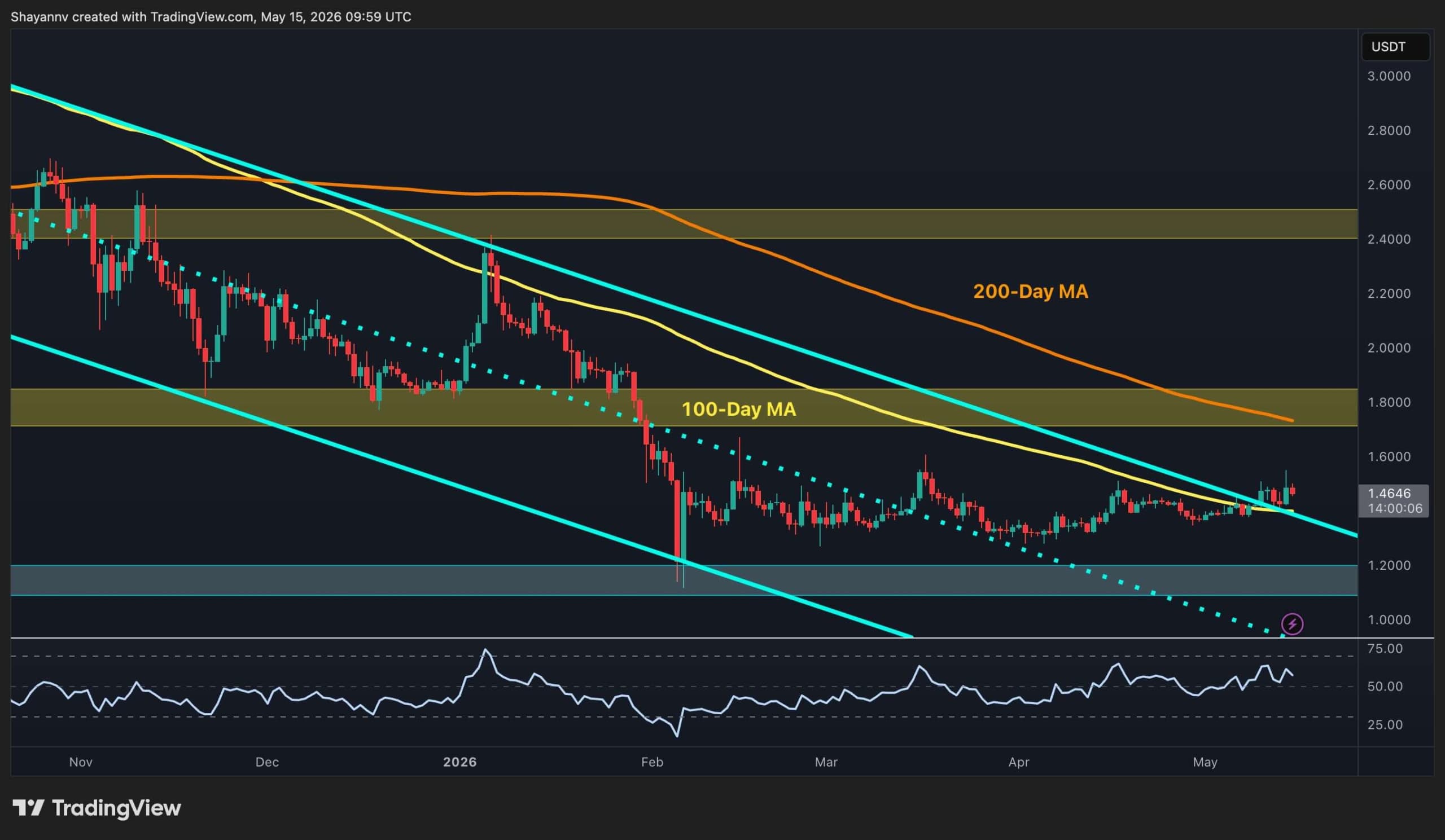
XRP shows bullish momentum, trading at $1.43 and breaking key resistance levels.
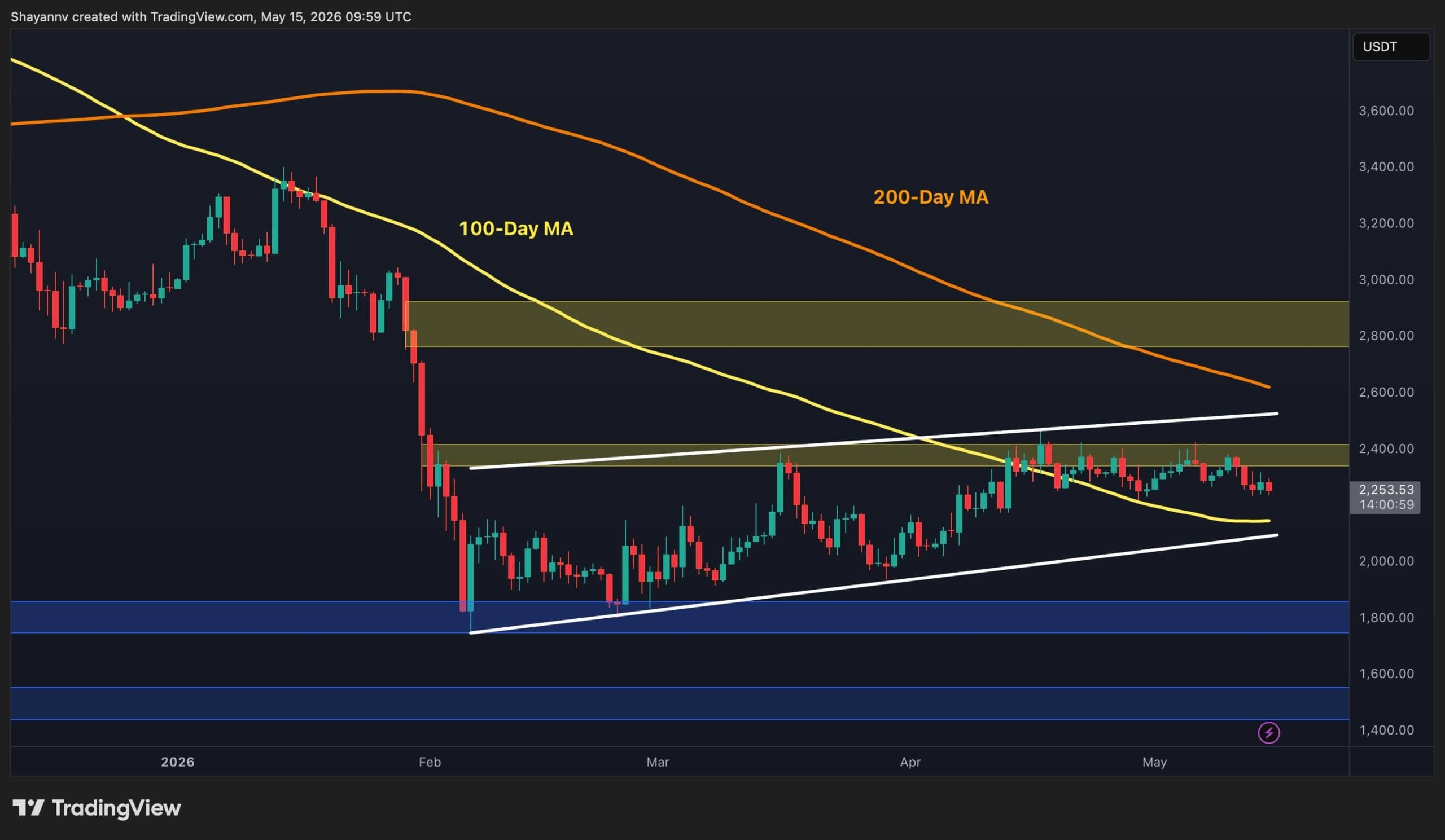
Ethereum is currently trading above $2.2k but faces resistance at $2.4k. More consolidation is expected as long positions have been unwound and a close below $2k could indicate significant structural damage.
See every story in Crypto — including breaking news and analysis.
Right now, the asset is trading above $76,000, up more than 2% in the last seven days, per data from CoinGecko. The upticks are more pronounced across longer timeframes, with BTC gaining more than 11% over two weeks and 10% in the last 30 days. But it is still nearly 13% below its level from one year ago and sits close to 40% below its all-time high of over $126,000 achieved in October 2025.