Coinbase CEO Reveals What Still Needs to Change Before Finance Truly Evolves
TL;DR
Coinbase CEO Brian Armstrong highlights the need for major upgrades in the financial system, including tokenization of real-world assets and 24/7 global trading. He emphasizes the importance of technological innovation and regulatory changes for true financial evolution.
Key points
- Brian Armstrong emphasizes the need for financial system upgrades
- Key areas include tokenization of real-world assets and global trading
- Tokenization could reach a market size of $5 trillion by 2030
Mentioned in this story
CoinbaseBrian Armstrong
IMF
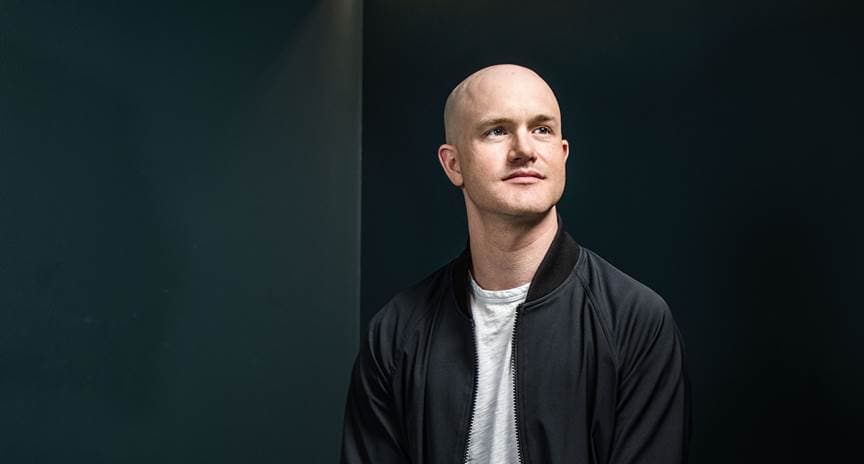
Coinbase CEO Brian Armstrong said the financial system still requires major upgrades, as he emphasized that significant technological innovation and policy work will be needed to achieve them.
In a post on X, Armstrong flagged several areas where he believes the industry must evolve, including the tokenization of real-world assets (RWA), 24/7 global trading, stablecoin-powered payments, AI-driven financial services, and innovation-friendly regulation.
Shift Toward Tokenized Real-World Assets
Armstrong stated that tokenizing assets such as real estate, stocks, bonds, and funds on blockchain networks enables instant settlement, fractional ownership, and broader distribution. Financial institutions are increasingly exploring tokenization as a way to modernize settlement processes, asset ownership, and investor access while remaining compliant with existing legal and financial frameworks.
The IMF said in an April 2 note that tokenization represents a fundamental reconfiguration of financial architecture. Industry forecasts also estimate that the RWA tokenization market could reach $5 trillion by 2030, driven largely by tokenized treasuries.
Chainlink’s Sergey Nazarov previously said that the migration of real-world assets onto blockchain networks is continuing regardless of movements in crypto prices. He also pointed to the growth of on-chain perpetual markets tied to commodities such as silver, and added that these markets are becoming increasingly competitive with traditional financial systems.
Armstrong also called for 24/7 global trading with pooled liquidity, improved leverage, and greater capital efficiency. In terms of payments, he said stablecoins could support near-instant and low-cost global transfers, including agentic payments.
AI-Powered Finance
The Coinbase CEO further highlighted the role of AI-powered systems in improving risk management, credit, compliance, fraud prevention, and financial advice while expanding access to capital. Interestingly, Coinbase has already slashed around 14% of its workforce as it moved toward becoming a more AI-focused company. Armstrong had earlier said AI tools were allowing smaller teams to complete work faster, automate tasks, and operate more efficiently across the company.
On regulation, the exec argued for a move away from one-size-fits-all frameworks toward risk-based rules that encourage innovation and competition. He also advocated for open protocols and self-custodial wallets to expand financial access to anyone with a smartphone.
Q&A
What are the key areas Brian Armstrong believes need to evolve in finance?
Brian Armstrong identifies tokenization of real-world assets, 24/7 global trading, stablecoin payments, AI-driven services, and innovation-friendly regulation as key areas for evolution.
How could tokenization of real-world assets impact the financial market?
Tokenization could enable instant settlement, fractional ownership, and broader distribution, potentially transforming settlement processes and investor access.
What is the projected market size for tokenized real-world assets by 2030?
The tokenization market for real-world assets is projected to reach $5 trillion by 2030, primarily driven by tokenized treasuries.