
News
Canton Network’s Digital Asset targets $2 billion valuation in a16z crypto-led raise: Bloomberg
Digital Asset Holdings targets $2B valuation in new funding led by a16z crypto.
CoinDesk1 min read

Russia has submitted a significant bill to regulate digital currencies, indicating a move towards a comprehensive crypto framework. This follows years of partial measures, including recognizing crypto as property and legalizing mining.
In April, Russia submitted a major bill to regulate digital currencies, marking a shift toward a fully structured crypto framework after years of partial measures like recognizing crypto as property and legalizing mining.
After several years of targeted steps – recognizing cryptocurrency as property, legalizing mining, and launching a limited experiment by the Central Bank – Russia is moving toward comprehensive regulation of the crypto market.
The bill defines, among other things, the concepts of "digital currency," "digital financial assets," "foreign digital rights," "digital account," "digital currency mining," "mining pool," and others.
It also specifies the circle of persons who can organize the circulation of digital currency and digital rights.
From July 1, 2026, individuals and companies will be able to buy cryptocurrency legally, but only through licensed intermediaries such as registered exchangers, brokers, and trustees. Full mandatory use of these intermediaries begins on July 1, 2027.
Only large cryptocurrencies will qualify for public trading, requiring an average market capitalization above $55–60 billion (converted from 5 trillion rubles). Crypto payments in Russia remain prohibited, but businesses can use crypto for foreign trade settlements.
A digital depository system will be created to store and account for crypto assets, operating similarly to securities accounts.
Russian citizens must purchase crypto via licensed platforms, with assets stored in official digital accounts. Non-qualified investors must pass a test, accept risk disclosures, and may face annual limits. Qualified investors face fewer restrictions.
Withdrawals are only allowed to licensed foreign platforms, not private wallets. Authorities may also impose limits or block outflows entirely. Legal protection for crypto held in Russia requires tax disclosure.
Mining is legal for registered businesses and certain individuals within energy limits. People with serious criminal records are excluded.
Peer-to-peer (P2P) crypto trading, currently common in Russia, will be gradually restricted:
Crypto exchange businesses must register if their monthly turnover exceeds about $38,000 (3.5 million rubles). Only Russian entities can operate legally, under strict Central Bank oversight.
Companies and entrepreneurs can use crypto for international transactions without needing special experimental regimes. They can also purchase crypto domestically for this purpose, making foreign trade the most flexible use case under the law.
The bill defines key concepts such as 'digital currency,' 'digital financial assets,' and 'digital currency mining,' among others.
The major bill to regulate digital currencies was submitted in April 2026.
Prior to this bill, Russia took targeted steps like recognizing cryptocurrency as property and legalizing mining.
The bill specifies a defined circle of persons authorized to organize the circulation of digital currency and digital rights.
Digital Asset Holdings targets $2B valuation in new funding led by a16z crypto.

MARA expected to post Q1 losses as it shifts focus to AI growth strategy
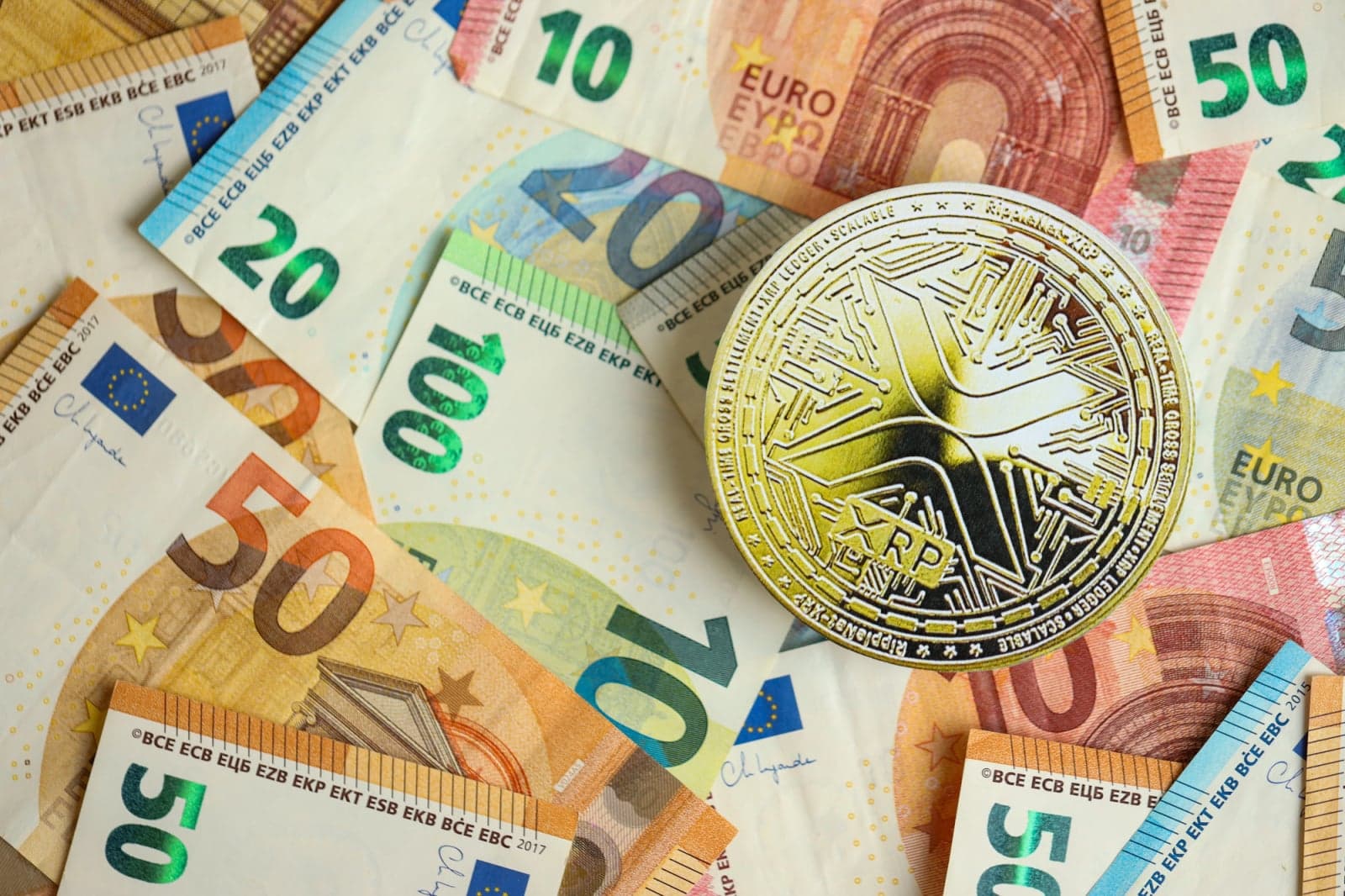
XRP ETFs see a staggering 1,220% increase in inflows, reaching $39.6 million!

Bitcoin hits $82,400 but faces resistance after Trump's Iran remarks.

Ripple's XRP token attempts to break $1.50 but faces rejection again.

Robert Kiyosaki predicts a 2026 economic crash, favors silver over crypto.
See every story in Crypto — including breaking news and analysis.
Authorities can blacklist certain cryptocurrencies, especially those designed for anonymity. Licensed intermediaries must monitor transactions for criminal links, aligning with international AML standards like the FATF travel rule.
Creating new cryptocurrencies in Russia is legalized, but the bill does not yet define detailed rules or licensing procedures.
Violations carry serious consequences:
Crypto is officially treated as property, meaning theft or fraud is prosecutable. The tax will be levied on the difference between income and purchase expenses, with no carry-forward of losses. Transactions will be exempt from VAT, and reporting will become mandatory.
Income from mining and the purchase and sale of cryptocurrency is subject to personal income tax.
The bill replaces fragmented rules with a unified system, aligning Russia with global regulatory trends like the EU’s MiCA.
Unlike regions such as the US, which still lacks a single framework, Russia is moving toward centralized and tightly controlled crypto oversight.