
Ethereum Is Microsoft of Crypto: Dragonfly's Haseeb Qureshi Breaks Down Why

TL;DR
Haseeb Qureshi of Dragonfly compares Ethereum to Microsoft, highlighting its role as the corporate standard in crypto. He notes Ethereum's value and enterprise focus, while also acknowledging its slow development and vulnerability to criticism.
Key points
- Haseeb Qureshi compares Ethereum to Microsoft
- Ethereum is viewed as the corporate standard in crypto
- The network's slow development reflects corporate maturity
Mentioned in this story
DragonflyHaseeb Qureshi
Dragonfly managing partner Haseeb Qureshi drew a direct parallel between Ethereum and tech giant Microsoft, framing the leading smart-contract platform as the corporate standard of the crypto industry - complete with all the baggage that status implies.
According to him, this comparison fully explains the current opinion on the leading altcoin: it has become indispensable, extremely valuable, enterprise-oriented, yet at the same time slow-moving and an exceptionally easy target for criticism.
Ethereum is the Microsoft of crypto.
— Haseeb >|< (@hosseeb) May 21, 2026
In this logic, the network's conservative pace of development is a sign of corporate maturity, protecting its massive liquidity monopoly from faster blockchain competitors.
Geopolitics and oil split two 'tech giants'
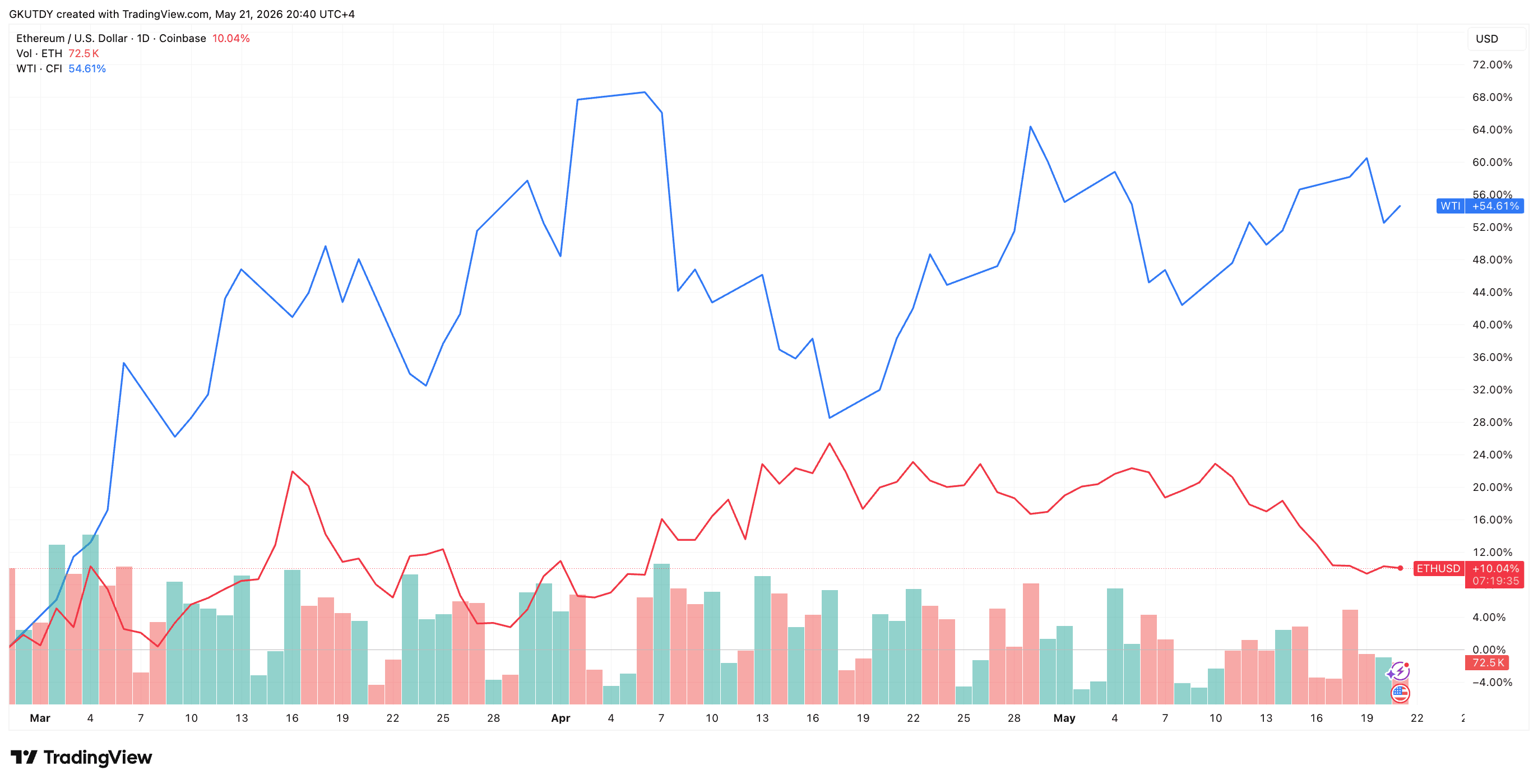
This positioning coincided with a harsh macroeconomic assessment from Fundstrat's Tom Lee, who explained the current behavior of the crypto asset's price. According to the head of the largest ETH corporate holder, the latest FOMC minutes point to the need for further policy firming if U.S. inflation remains above 2%.
Against the backdrop of the ongoing military conflict in the Middle East, rising oil prices are directly fueling that inflation, increasing the probability of the Federal Reserve keeping interest rates elevated. Since the value of cryptocurrencies critically depends on the volume of dollar liquidity, Tom Lee states a direct inverse correlation: every upward spike in oil prices hits ETH negatively.
Q&A
Why does Haseeb Qureshi compare Ethereum to Microsoft?
Haseeb Qureshi compares Ethereum to Microsoft to illustrate its status as the corporate standard in the crypto industry, emphasizing its value and enterprise orientation.
What are the implications of Ethereum's slow development?
Ethereum's slow development is seen as a sign of corporate maturity, which helps protect its liquidity monopoly against faster blockchain competitors.
How does Ethereum's status affect its perception in the crypto market?
Ethereum's status as a leading altcoin makes it indispensable and valuable, but it also exposes it to criticism for being slow-moving and conservative.