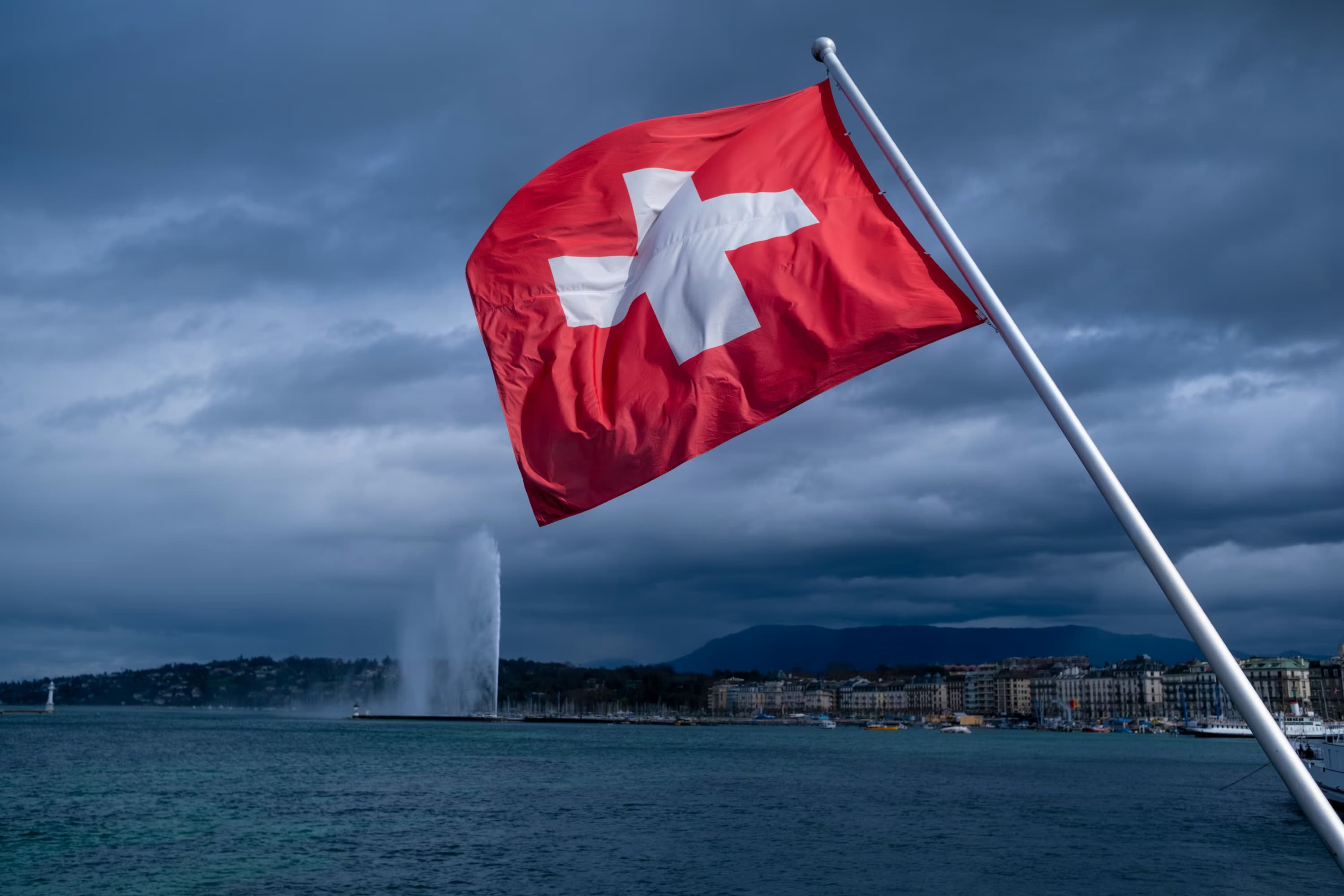
Swiss Bitcoin Reserve Effort Withdrawn After Resistance From Central Bank
Swiss Bitcoin reserve campaign fails, but founder plans another attempt.
NewsBTC1 min read

The EU has implemented its largest sanctions package against Russia, focusing on a total ban of crypto providers and platforms in the country. This includes a ban on Russia's central bank digital currency and significant restrictions on 20 Russian banks.
Mentioned in this story
The European Union (EU) released its “biggest package” of sanctions in two years against Russia, describing the measures as far-reaching and restrictive. They specifically target crypto with a total ban on providers and platforms established in that country.
“Russia is becoming increasingly reliant on cryptocurrencies for international transactions,” the EU said in an April 23 statement. “The EU is introducing a total sectoral ban on providers and platforms established in Russia that allow the transfer and exchange of crypto assets.”
The bloc also banned Russia’s central bank digital currency (CBDC), the ruble-pegged RUBx stablecoin and all EU support for the development of the digital ruble.
The sanctions include measures against 20 Russian banks and four third-country financial institutions and entities connecting to the Russian System for Transfer of Financial Messages (SPFS), the Russian banking messaging network, according to a Chainalysis report.
The blockchain intelligence firm said the EU also imposed sanctions on TengriCoin, a Kyrgyz crypto exchange operating as Meer.kg, where significant amounts of the government-backed stablecoin A7A5 are traded.
That measure follows years of escalating enforcement targeting the wider Garantex–Grinex–A7A5 ecosystem that has been extensively tracked, Chainalysis noted.
As documented, A7A5 has been prolific, processing $119.7 billion to date and functioning as a purpose-built settlement rail designed to bridge sanctioned Russian businesses into the global financial system, the firm said. In the 2026 Crypto Crime Report, that figure exceeded $93.3 billion in less than a year.
“The new measures now create an ecosystem-wide crypto restriction on Russia and Belarus,” the blockchain intelligence firm said.
The firm said that people from the EU are now no longer allowed to transact with cryptocurrency service providers (CASPs) and decentralized finance (DeFi) platforms from Russia and Belarus. They are also barred from providing Markets in Crypto-Assets Regulation (MiCA) crypto services to Belarusian individuals and entities.
The EU also stated that “netting transactions with Russian agents are now forbidden, to prevent the circumvention of EU sanctions.”
Countries referenced in the sanctions package in connection with financial services, trade flows, or intermediary activity include Kyrgyzstan, China, the United Arab Emirates, Uzbekistan, Kazakhstan and Belarus.
The EU has introduced a total ban on crypto providers and platforms established in Russia as part of its largest sanctions package against the country.
The sanctions include a ban on Russia's central bank digital currency, the RUBx stablecoin, and prohibit EU support for the development of the digital ruble.
The sanctions target 20 Russian banks and four third-country financial institutions connected to Russia's banking messaging network, SPFS.
Swiss Bitcoin reserve campaign fails, but founder plans another attempt.
American Bitcoin reported an $82 million loss in Q1 2026 despite mining a record 817 BTC. The company's total Bitcoin holdings increased to approximately 7,300 BTC after recent purchases.

XRP Analyst Raises Key Question About Demand in Global Settlement System

Revolut's app showed Bitcoin at just 2 cents due to a pricing glitch. Issue now resolved.

A hacker exploits TrustedVolumes, draining $5.9 million in crypto funds.

Trump Media's Q1 loss widens to $406 million, heavily impacted by crypto markdowns.
See every story in Crypto — including breaking news and analysis.