
Altcoins Crash as Bitcoin (BTC) Dumps to 2-Week Low: Weekend Watch
Bitcoin's price drops to a two-week low under $78K, impacting altcoins like HYPE and ZEC.
CryptoPotato1 min read
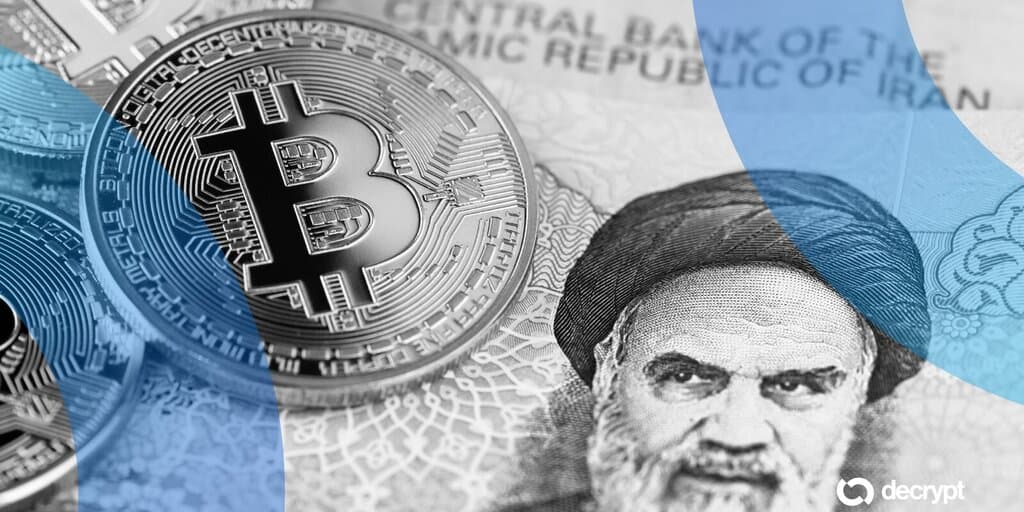
Scammers are demanding Bitcoin and USDT from vessels in the Strait of Hormuz for safe passage. At least one vessel reportedly paid the fraudulent fee, raising concerns about sanctions liability for crypto payments.
Mentioned in this story
Scammers impersonating Iranian authorities are reportedly targeting shipping companies with fraudulent payment demands to be made through Bitcoin and Tether's USDT stablecoin, promising safe passage through the Strait of Hormuz.
Greek maritime risk firm MARISKS warned Monday via Reuters that unknown actors impersonating Iranian authorities had sent shipping companies messages demanding cryptocurrency payments for transit clearance in the passage, which has become a flashpoint in the ongoing conflict between Iran and the United States.
"After providing the documents and assessing your eligibility by the Iranian Security Services, we will be able to determine the fee to be paid in cryptocurrency (BTC or USDT). Only then will your vessel be able to transit the strait unimpeded at the pre-agreed time,” the message from the unknown actors reads, as cited by MARISKS.
MARISKS said it believes at least one vessel fired on by Iranian boats Saturday, while attempting to exit the strait during a brief reopening, had paid the fraudulent fee.
Decrypt has reached out to the firm for comment and will update this article should they respond.
The alert comes weeks after Iranian officials began requiring tolls for passage to be made in Bitcoin, to ensure the fees “can’t be traced or confiscated due to sanctions.”
But whether Iran's crypto toll system ever actually operated at scale remains disputed.
Days into the state’s announcement, blockchain forensics firm TRM Labs told Decrypt that no on-chain data indicating crypto was being used for Hormuz transit fees have been seen.
Scammers are demanding payments in Bitcoin (BTC) and Tether's USDT for transit clearance.
At least one vessel that paid the fraudulent fee was fired upon, according to reports from MARISKS.
Any crypto transit payment carries sanctions liability, regardless of the recipient, as warned by experts.
The Greek maritime risk firm MARISKS has issued warnings regarding the scams targeting shipping companies.
Bitcoin's price drops to a two-week low under $78K, impacting altcoins like HYPE and ZEC.

BlackRock clients sold $317 million in Bitcoin, impacting ETF flows.

Elon Musk Reflects on Dogecoin's Cultural Impact Again

XRP Ledger records highest network usage spike in 2 months!

Crypto longs face $500 million losses as Bitcoin slides to $78,000
Pi Network warns users about scams and provides official account verification.
See every story in Crypto — including breaking news and analysis.
In this case, the lack of on-chain evidence has not made the threat any less real for stranded vessels.
“Iran-linked actors have a well-documented history of using cryptocurrency to circumvent traditional financial controls,” Isabella Chase, head of policy for Europe, the Middle East, and Africa at TRM Labs, told Decrypt.
Any wallet addresses associated with these demands “should be treated as high-risk until independently verified through blockchain intelligence,” she added.
Even an unwitting payment to a sanctioned entity carries legal liability under OFAC regulations, and “crypto payments offer no safe harbour” from that exposure, Chase warned. Shipping companies should run blockchain intelligence checks on any wallet before transferring funds and consult sanctions experts before acting on any payment demand, she added.
So far, tanker traffic through Hormuz remains below 5% of pre-war volumes after Iran reimposed restrictions on April 18, with Polymarket users placing roughly 28% odds on normal shipping resuming with the month. On prediction market Myriad, owned by Decrypt's parent company Dastan, users are more optimistic, putting a 64% chance on the average number of ships transiting the Strait above 15 before May.
“Whether the recipient is genuinely Iranian or not, the intent to transact with a sanctioned regime is present,” Xue Yin Peh, head of investigative strategy and collection at on-chain intelligence firm Chainalysis, told Decrypt.
If the payment reaches Iran, the exposure becomes "straightforward," Peh explained, noting that any payment to an Iranian government entity or anyone acting on its behalf would likely constitute a sanctions violation under OFAC, EU, and UK rules.
Paying a scammer instead of actual Iranian authorities does not automatically eliminate sanctions exposure, Peh said, adding that regulators could still scrutinize a company's intent to pay what it believed was a sanctioned regime.
“Beyond sanctions, the company remains a victim of fraud, and the funds may still end up with actors who are sanctioned, designated, or involved in other illicit activity, even if they are not part of the Iranian regime,” he added.
With little public information on how Iran is actually administering crypto toll payments, Peh advised that standard anti-scam practices remain the strongest defense: verify demands through official channels, consult maritime security advisers, and treat urgent payment pressure as a red flag.