Ripple CTO Emeritus Details Hidden Tech Keeping XRP Safe From Big Money
TL;DR
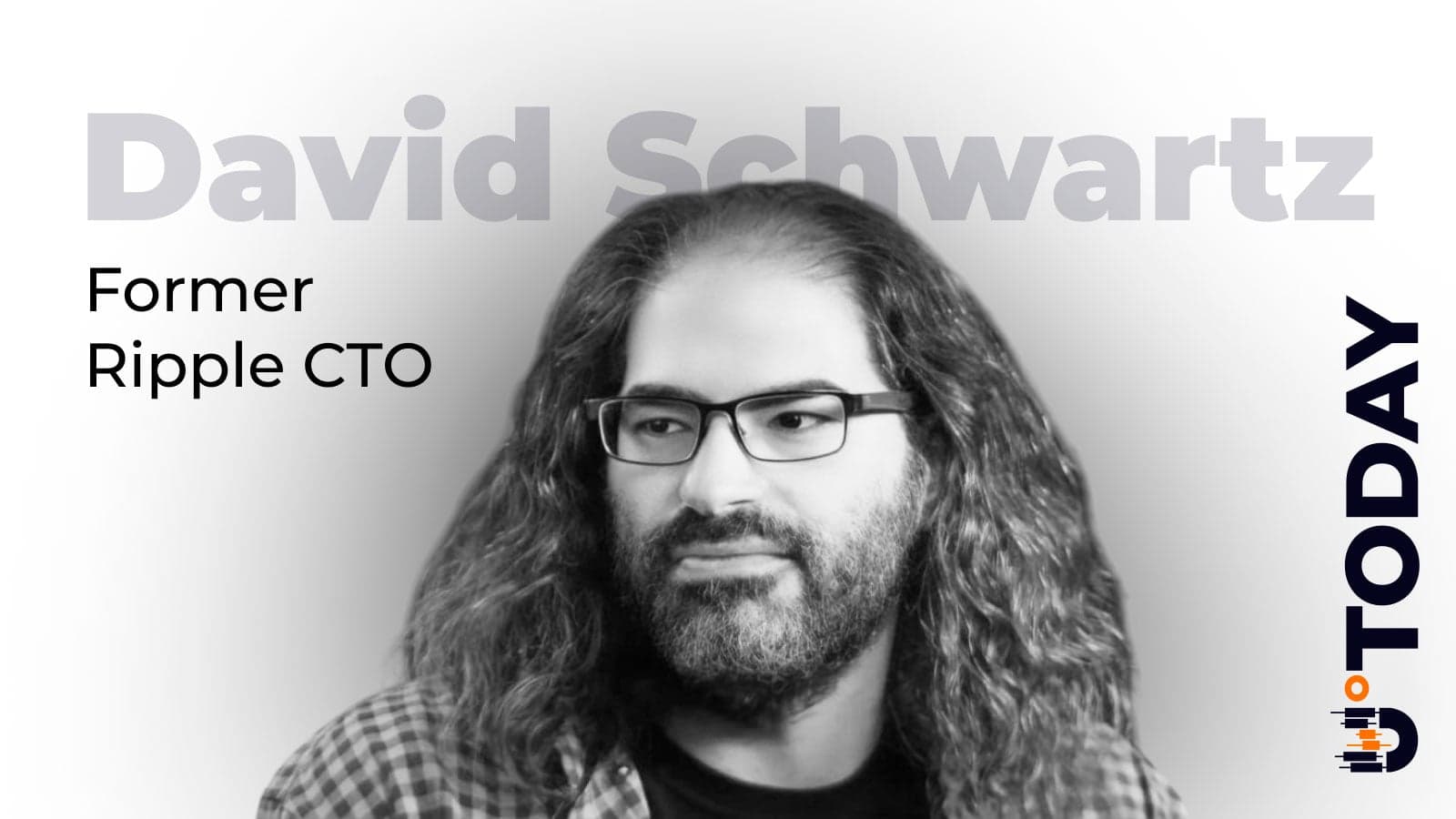
Ripple's CTO Emeritus David Schwartz explains how the XRP Ledger protects itself from corporate takeover by encouraging diverse participation. He highlights the need for independent nodes to maintain decentralization despite challenges like server outages.
Key points
- David Schwartz explains XRP Ledger's self-protection mechanisms
- XRP Ledger encourages independent participation for decentralization
- Charles Hoskinson praises XRPL architecture as elegant
Mentioned in this story
David SchwartzCharles Hoskinson
XRP Ledger
The public acknowledgment by Charles Hoskinson, who described the XRPL architecture as "very elegant," sparked new debates about the network's actual decentralization. Ripple CTO Emeritus David Schwartz stepped into the discussion to explain how the ledger protects itself from covert capture by large corporations.
Schwartz points to a classic paradox - in cryptocurrencies, capital usually rules. Large corporations can afford expensive hardware and entire engineering teams, which is why their nodes and validators operate flawlessly and without interruptions.
How XRPL stops big tech from buying out the network
According to Schwartz, if the creators of XRP Ledger had focused only on achieving perfect technical stability, the network would have quickly fallen under the full control of a handful of IT giants. To prevent that outcome, Schwartz insists on attracting a large number of ordinary independent participants from different regions.
But that raises a problem: what happens if their servers suddenly go offline because of internet outages or power failures?
To solve this dilemma, Schwartz and his team implemented the Negative UNL (Negative Unique Node List) mechanism. If a small independent participant suddenly goes offline, the remaining servers, through consensus, temporarily place that participant on a blacklist and continue processing payments quickly without waiting for them.
Schwartz emphasizes the "surprising detail" that this list cannot be turned into a censorship weapon. Even if large corporations colluded and deliberately added an independent participant to it, they still would not be able to strip that participant of voting rights.
But it's really only a partial exclusion. You can still fully participate in consensus, vote on amendments, vote on fees, and participate in transaction ordering. Only your validations are ignored.
— David 'JoelKatz' Schwartz (@JoelKatz) May 15, 2026
This is only a partial exclusion, as Ripple CTO Emeritus explains that the mechanism disables only the technical function of confirming payments so the network does not slow down, while the node retains full political power. It can still vote against fee changes, oppose bad updates, and continue influencing the blockchain's future.
Q&A
How does the XRP Ledger prevent corporate control?
The XRP Ledger prevents corporate control by attracting a large number of independent participants, ensuring decentralization.
What did Charles Hoskinson say about the XRPL architecture?
Charles Hoskinson described the XRPL architecture as 'very elegant,' sparking debates about its decentralization.
What challenges does the XRP Ledger face regarding node stability?
The XRP Ledger faces challenges like internet outages or power failures that can affect the stability of independent nodes.