
Solana Vs Ethereum: What’s Holding Growth Back? 3 Reasons SOL Is Still Lagging
Exploring the reasons Solana is struggling against Ethereum's growth.
NewsBTC1 min read
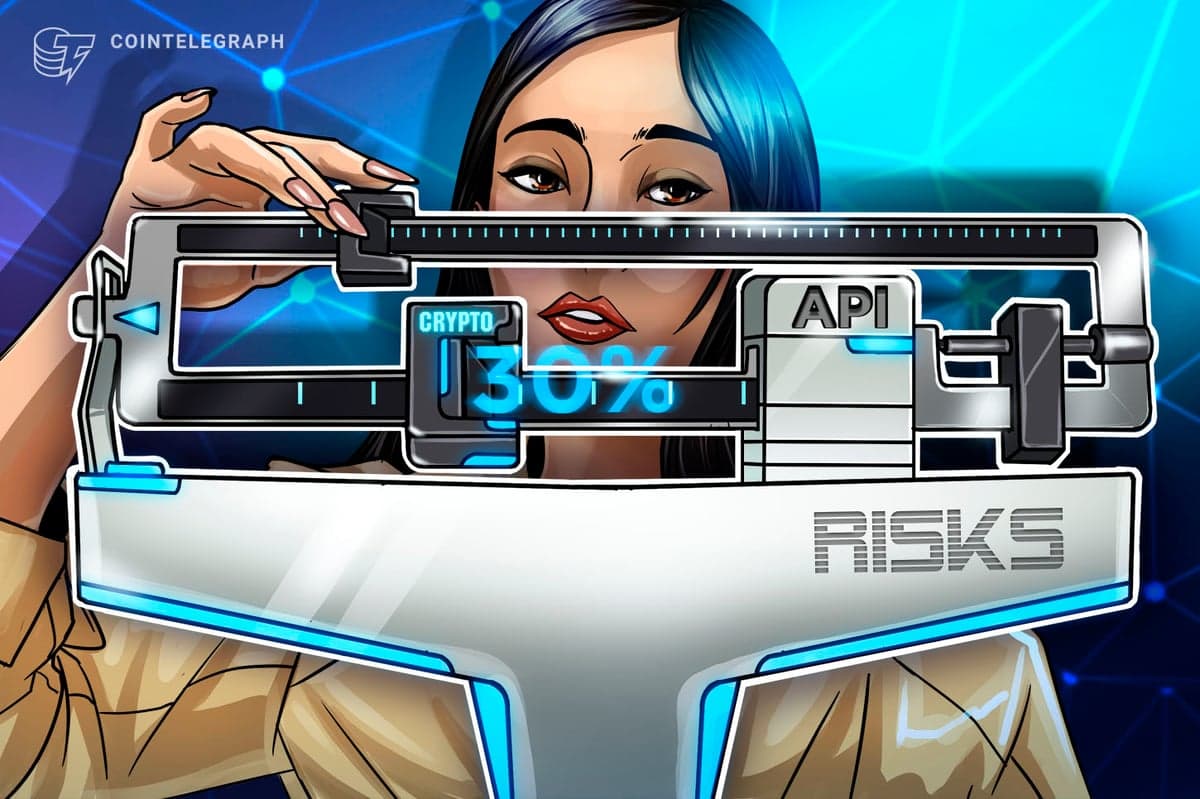
South Korea's Financial Supervisory Service reports that API-based trading constitutes 30% of crypto turnover, with warnings about potential volume inflation and price manipulation. The regulator plans to investigate accounts suspected of abnormal trading patterns.
South Korea’s Financial Supervisory Service (FSS) said Monday that API-based trading now accounts for about 30% of crypto buy-and-sell turnover, warning that some traders are using automated tools to inflate volumes and manipulate prices.
According to reports from Yonhap News Agency and Maeil Business Newspaper, the regulator warned that some traders are using automated tools to inflate volumes and manipulate prices, citing cases involving repeated small trades, spoofed orders and coordinated activity across multiple accounts.
The FSS said it will launch targeted investigations into accounts suspected of using APIs for excessive or abnormal trading patterns, signaling closer scrutiny of automated trading activity in the market.
The warning follows South Korea’s broader push to curb crypto market abuse, as regulators intensify enforcement even as parts of the legal framework remain under development.
According to the reports, the FSS described several methods used in distorting prices, including repeated placement of small market buy and sell orders to create the appearance of active trading. The regulator added that traders used higher-priced limit orders to artificially inflate prices.
In one case outlined by the FSS, a trader used API-driven orders from 5,000 won (about $3) to 10,000 won (about $6) to simulate trading activity before selling into rising prices as retail investors entered the market. In another case outlined by the FSS, a trader set a target price and repeatedly submitted higher-priced buys to drive prices to that level.
Related: Bank of Korea floats crypto ‘circuit breakers’ after Bithumb blunder
The FSS warned users against indiscriminately using high-frequency trading code shared online and urged investors to avoid chasing assets that show sudden spikes in price and trading activity without clear reasons.
The warning comes as South Korean authorities have stepped up oversight of crypto exchanges following a series of operational and fraud-related incidents.
API-based trading now accounts for about 30% of crypto buy-and-sell turnover in South Korea.
Traders are reportedly using automated tools for volume inflation, including repeated small trades and spoofed orders.
The FSS will launch targeted investigations into accounts suspected of using APIs for excessive or abnormal trading patterns.
Exploring the reasons Solana is struggling against Ethereum's growth.
Shiba Inu's exchange outflow has plummeted by over 21% in 24 hours, signaling reduced trading activity.

Solana's price structure hints at a possible temporary recovery before a major market decision.

Bitcoin traders are coming back after an eight-month deleveraging phase, signaling renewed risk appetite.
Bitcoin Price Analysis for May 23: Bearish Sentiment Continues as Key Levels Hold

FET's exchange supply is vanishing; traders are on alert.
See every story in Crypto — including breaking news and analysis.
On April 7, regulators ordered exchanges to reconcile internal ledgers with actual asset holdings every five minutes after inspections found delayed balance checks and weak trade-halting systems.
South Korean authorities also moved to tighten safeguards against scams. On April 8, the Financial Services Commission (FSC) said inconsistent withdrawal-delay exemption rules allowed bad actors to move funds quickly, with exempted accounts accounting for a majority of voice phishing losses.
At the same time, enforcement efforts have faced legal constraints. On April 9, a South Korean court overturned a partial suspension of Upbit operator Dunamu, citing unclear rules and highlighting gaps in the regulatory framework.