
3 Wacky Hermes Skills You Should Try
Discover 3 Wacky Skills You Can Use with Hermes AI!
Decrypt1 min read

Jito Foundation has partnered with KODA to enhance institutional custody and staking for JitoSOL in South Korea. This collaboration aims to attract institutional investors as the country prepares a digital asset regulatory framework.
Jito Foundation has signed a memorandum of understanding with Korean digital asset custodian KODA to explore institutional custody and staking support for JitoSOL in the local market.
According to Monday’s announcement, the agreement includes outreach to institutional investors and the development of compliant custody and staking pathways.
It comes as South Korea’s Financial Services Commission is expected to finalize a digital asset regulatory framework later this year.
In February, the foundation said it would work with Hanwha Asset Management to explore a JitoSOL exchange-traded fund in South Korea, pending regulatory approval. Marc Liew, head of APAC at Jito Foundation, told Cointelegraph:
We are seeing significant interest from two main camps: large financial firms looking to build the next generation of wealth management products, and institutional entities that are interested in the yield-bearing nature of JitoSOL for their corporate treasuries.
KODA provides custody infrastructure including cold storage, MPC-based key management and institutional staking, carrying $20 million in digital asset insurance coverage. The company is backed by KB Kookmin Bank and other investors and holds a registered VASP license and ISMS certification.
“Through KODA’s institutional-grade vaulting system, the KODA interface will allow the client to mint JitoSOL directly from their SOL holdings,” Liew said.
Jito is a liquid staking protocol on the Solana (SOL) network where users stake SOL in exchange for JitoSOL, a token usable across decentralized finance applications. The Jito Foundation supports development, partnerships and institutional outreach.
JitoSOL has a market capitalization of about $930 million, according to CoinGecko data. The token already has institutional exposure in Europe through a 21Shares exchange-traded product, while custodians including BitGo and Hex Trust support staking directly from custody accounts.

The partnership focuses on developing institutional custody and staking support for JitoSOL in South Korea.
The upcoming regulatory framework is expected to provide a compliant environment for digital assets, potentially facilitating the growth of JitoSOL's institutional adoption.
Large financial firms are interested in creating wealth management products and utilizing JitoSOL for yield-bearing opportunities in their corporate treasuries.
Discover 3 Wacky Skills You Can Use with Hermes AI!

Bitcoin ETF outflows total $1.26 billion, hinting at potential buying opportunities, says Santiment.

The Clarity Act could revolutionize crypto yield generation with new 'yield-as-a-service' market.
Ethereum's price has fallen to a two-month low, raising fears of further declines.
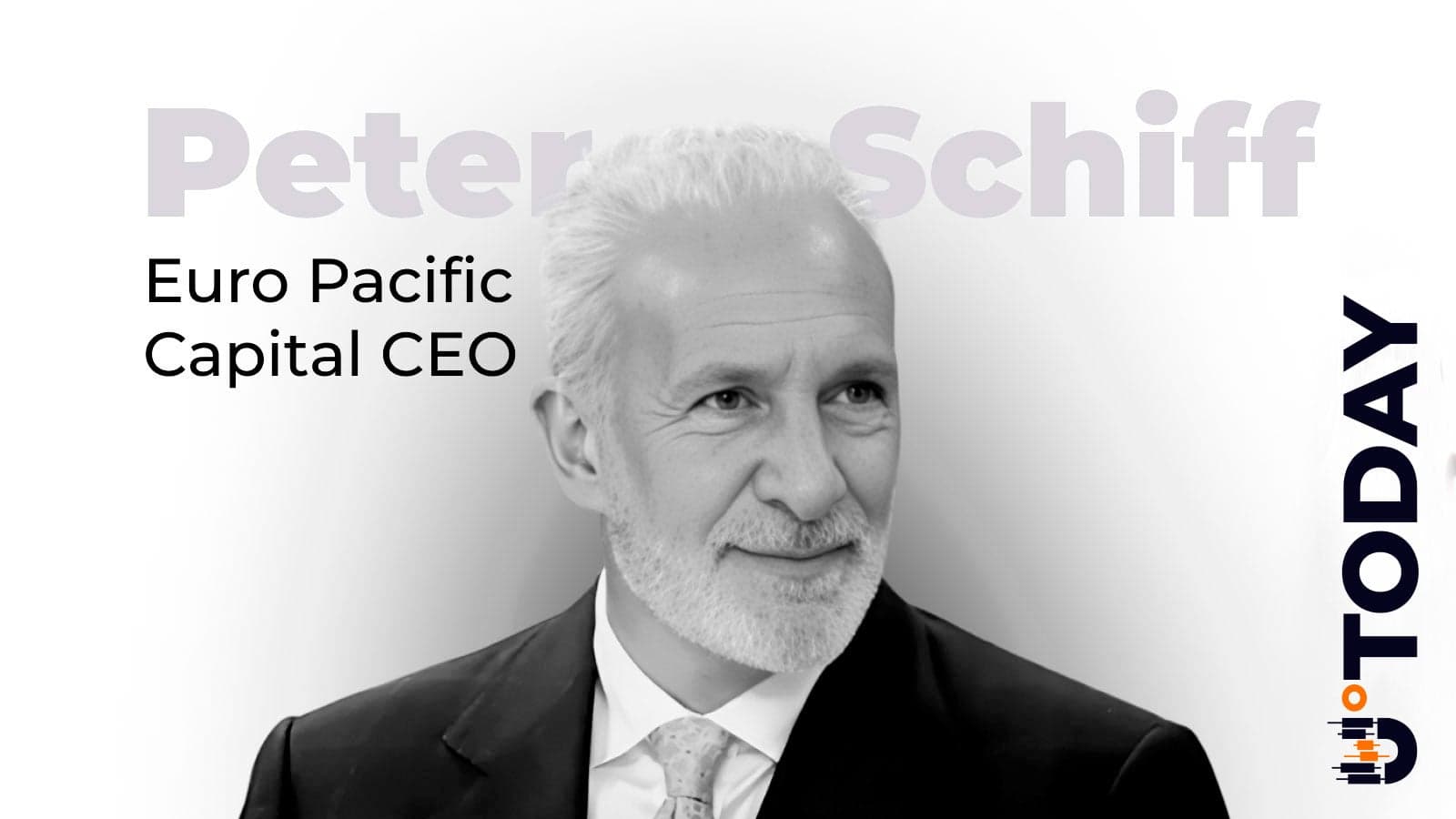
Peter Schiff issues a stark warning about Bitcoin's $60,000 price floor, calling it a 'trap door'.

Analyst predicts Bitcoin won't bottom until it hits EMA 300 level.
See every story in Crypto — including breaking news and analysis.
Source: CoinGecko
South Korean regulators and policymakers are pushing for tighter controls on the crypto sector as they move toward a more structured regulatory framework.
In January, the country approved changes to its crypto licensing regime, tightening requirements for virtual asset service providers and expanding oversight to include major shareholders. In March, policymakers followed with a proposal to cap ownership stakes in domestic exchanges at 20%, part of wider efforts to impose stricter controls on market structure.
The regulatory push accelerated after a payout error at crypto exchange Bithumb in early February, when users mistakenly received 620,000 Bitcoin (BTC) instead of 620,000 Korean won, triggering a sell-off and exposing weaknesses in exchange oversight.
Following the incident, the country’s Financial Services Commission introduced stricter reconciliation requirements between exchanges’ internal ledgers and onchain balances.
Earlier this month, lawmakers began drafting legislation that would classify stablecoins as foreign exchange payment instruments and require tokenized real-world assets to be backed by assets held in trust.
More recently, the Bank of Korea called for exchange-level “circuit breakers” and stronger internal controls, with the central bank warning that the industry lacks safeguards seen in traditional financial systems.