
Hana Bank to acquire $670 million stake in Upbit operator Dunamu
Hana Bank is set to acquire a $670 million stake in Dunamu, operator of Upbit.
CoinDesk1 min read

New York Assembly member Alex Bores has proposed an 'AI Dividend' to provide payments to Americans affected by AI-driven job displacement. The policy would activate under specific economic conditions but does not specify payment amounts or frequency.
Mentioned in this story
The AI Dividend is a proposed policy that would provide payments to Americans if AI technology significantly reduces employment, triggered by specific economic indicators.
Payments would be triggered by sustained declines in labor force participation, wage compression in affected sectors, or increases in AI-driven productivity without job growth.
The AI Dividend will be funded through a tax on AI usage, equity warrants in major AI companies, and tax reforms that favor human employment over capital investment.
Experts warn that AI could automate up to 50% of jobs, particularly affecting entry-level positions and significantly reducing white-collar employment.
Hana Bank is set to acquire a $670 million stake in Dunamu, operator of Upbit.

XRP remains above $1.40; key levels at $1.40 and $1.38 to monitor.

Shiba Inu's burn rate skyrockets by 1,034%, with over 27 million SHIB burned in 24 hours!

Pi Network's new update empowers creators to leverage AI and a massive user base.
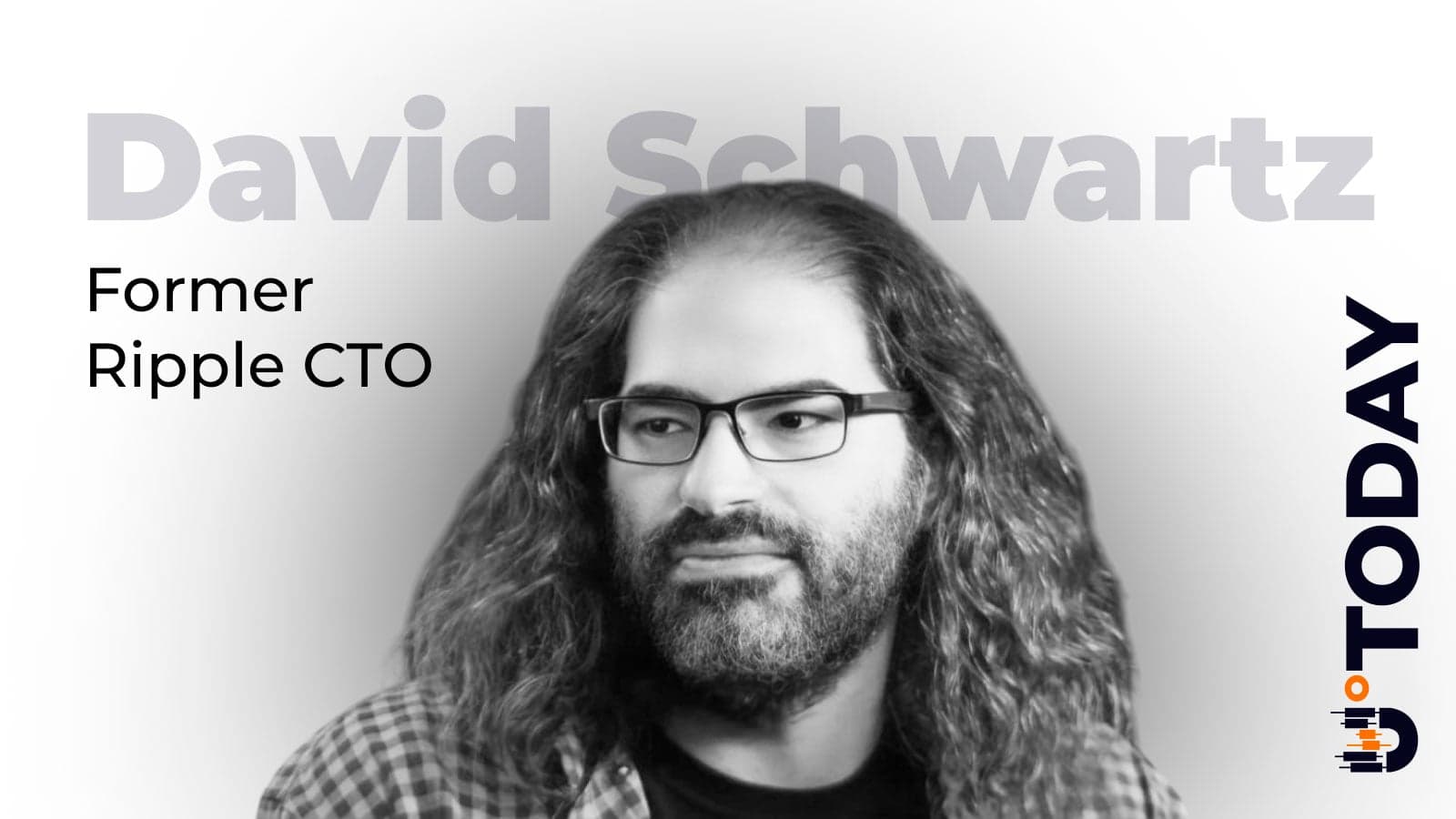
Ripple's David Schwartz discusses how the XRP Ledger safeguards against corporate control.

XRP's largest holders now control 45.83B tokens as price nears $1.50.
See every story in Crypto — including breaking news and analysis.
Today, I’m proud to announce the AI Dividend, my plan to prepare for the AI economy with direct payments to Americans funded by tax reform that simultaneously incentivizes hiring humans instead of AI.
Read the full plan here: pic.twitter.com/uoRiyIU9Me
— Alex Bores (@AlexBores) April 20, 2026 The document frames the proposal as preparation for that possibility rather than as a direct response to current economic conditions. “No one knows exactly how this will play out,” the policy said. “But what we do know is this: if AI replaces a significant share of human labor, our current economic system is not prepared.” Funding mechanisms in the AI dividend framework include a tax on AI usage measured in tokens, equity warrants that would allow the federal government to purchase shares in major AI companies if their value rises significantly, and tax reforms that address incentives favoring capital investment over wages. Bores’ framework argues that designing policies that protect human workers before large-scale disruption occurs may be easier than attempting to redistribute economic gains later. “The AI Dividend is only possible if we act now. Once a small number of companies have accumulated extraordinary wealth and displaced workers across the economy, the political and practical window for creative policy closes,” it reads. “Demanding stakes in companies after they have already captured the value is far harder than building smart structures today, while the technology is still taking shape.” The office of Representative Bores did not immediately respond to a request for comment by *Decrypt.*