
The Hantavirus Danger: Can a Potential Outbreak Spark a New Meme Coin Frenzy?
The hantavirus outbreak has led to the rise of meme coins in the crypto market. Could this be a bullish sign?
CryptoPotato1 min read

Ripple claims to have 13,000 connected banks and over $12 trillion in annual payment volume. However, CTO David Schwartz refutes theories about undisclosed adoption plans tied to their non-disclosure agreements.
Mentioned in this story
Ripple’s own top engineer has thrown cold water on one of the XRP community’s most persistent theories — that the company’s 1,700 non-disclosure agreements are hiding secret, large-scale adoption plans. Chief Technology Officer David Schwartz said those NDAs are standard business practice and that claims of massive undisclosed events are “almost always completely false.” No coordinated government plans. No hidden catalysts. Just routine confidentiality agreements.
That clarification comes at an odd moment — right as Ripple is touting figures that have the XRP community buzzing anyway. The company recently described its platform as the world’s most adaptable treasury platform, pointing to 13,000 connected banks and more than $12 trillion in annual payment volume running through its system. Those numbers trace back largely to Ripple’s 2025 acquisition of GTreasury, a treasury management firm purchased for $1 billion. That deal brought an already-established network of financial institutions under Ripple’s roof.
The world’s most adaptable treasury platform, trusted by industry leaders worldwide.
100% cash visibility. 13,000 connected banks. $12.5T in payments volume.
See why → pic.twitter.com/uIqpmz2bHw
— Ripple (@Ripple) April 30, 2026 Veteran investor Patrick L. Riley put the 13,000-bank figure in context. With roughly 4,000-plus banks and a similar number of credit unions in the US alone, he said the total implies a wide international reach, particularly across Western financial systems. Reports indicate XRP supporters had previously connected Ripple’s NDA disclosures — which surfaced during the SEC vs. Ripple Labs case — to those same banking partnerships. The latest figures appear to go further than what those court documents suggested. XRPUSD now trading at $1.39. Chart:
Ripple's 13,000 bank connections indicate a vast international network, enhancing its position in the financial sector.
Ripple's reported annual payment volume of over $12 trillion suggests a significant presence, especially when compared to the approximately 4,000 banks in the US.
Ripple's non-disclosure agreements are standard business practices and do not indicate hidden adoption plans, according to CTO David Schwartz.
The hantavirus outbreak has led to the rise of meme coins in the crypto market. Could this be a bullish sign?

ECB's Lagarde warns euro stablecoins could weaken financial stability and monetary policy.

Coinbase experiences major outage affecting trading due to AWS issues.

XRP's momentum fades as it fails to hold above key resistance at $1.45.

Andreessen Horowitz's David George argues AI will create new jobs, not eliminate them.
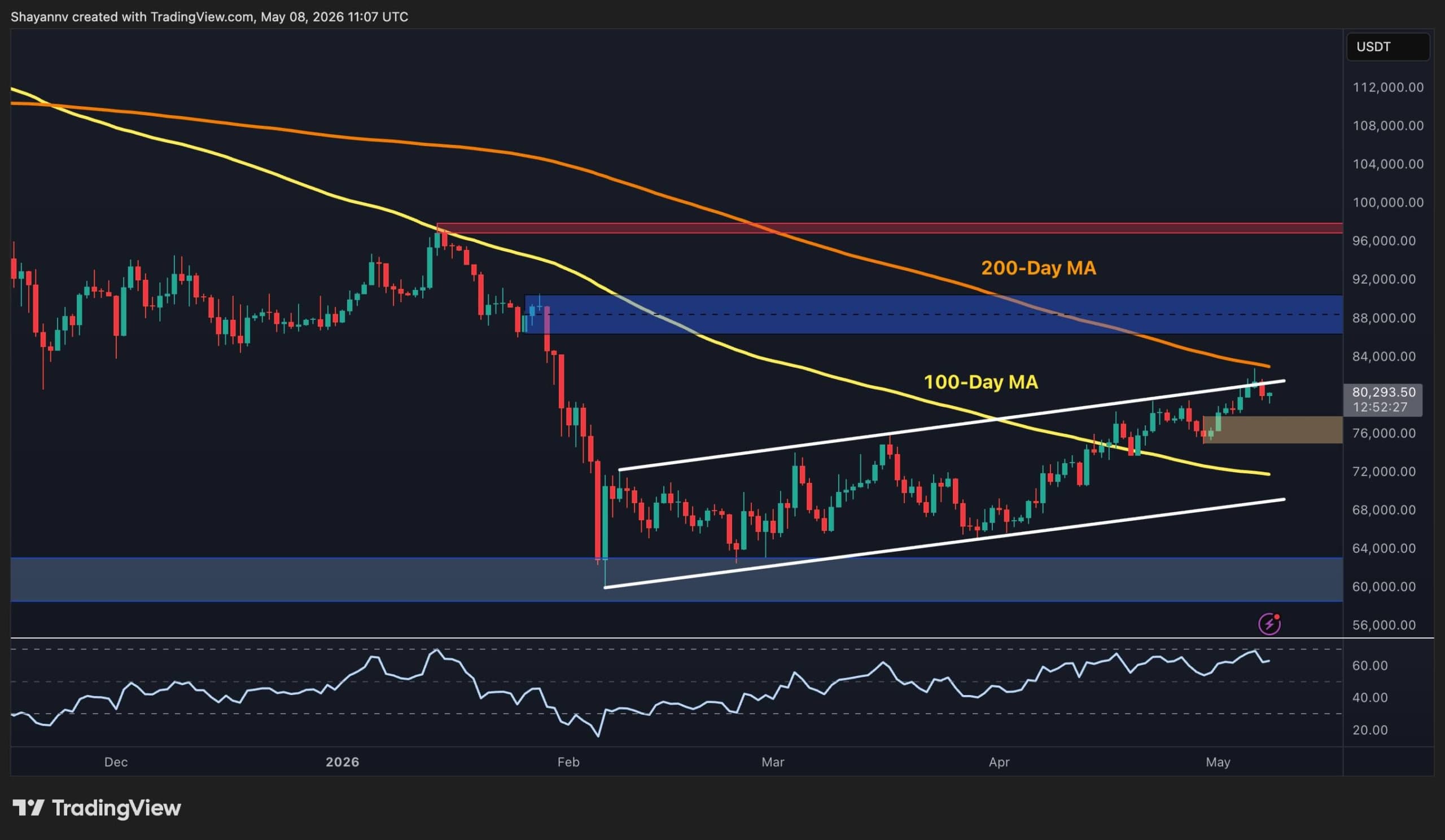
Bitcoin struggles at $83K resistance, indicating market weaknesses.
See every story in Crypto — including breaking news and analysis.
Riley also floated a speculative framework suggesting XRP could be worth $625 per token if 20 billion XRP were responsible for moving all $12.5 trillion in annual flows. The token currently trades around $1.37. That gap is enormous, and analysts warn the projection rests on shaky assumptions about liquidity use and token velocity. XRP’s value, under this model, would depend less on market sentiment and more on how deeply banks actually use the token in real transactions. That last part is the sticking point. Ripple’s payment system does not always require XRP to function. Reports note it remains unclear what share of that $12.5 trillion actually moves through XRP versus Ripple’s broader infrastructure. Having 13,000 banks in a network is one thing. Getting them to route payments through a digital asset is another.
Schwartz has been direct. He acknowledged that NDAs do involve confidentiality but said the theories building around them go well beyond what the agreements actually cover. According to Schwartz, the idea that something earth-shattering is waiting to be revealed misreads how these arrangements work in practice. *Featured image from Unsplash, chart from TradingView*