
Historical Data Shows How Many Days Are Left Until Bitcoin Price Hits New ATH Above $120,000
Analyst Predicts Bitcoin Could Hit $120,000 ATH by October 5
NewsBTC1 min read

CFTC Chair Mike Selig faced bipartisan criticism in Congress regarding prediction markets and the crypto platform Hyperliquid. Lawmakers expressed concerns about insider trading and the potential risks these products pose to consumers and the economy.
Mentioned in this story
CFTC Chairman Mike Selig received pushback from both sides of the aisle Thursday, with lawmakers in both parties grilling the regulator about controversial new financial products under his purview, including prediction markets and Hyperliquid, the decentralized perpetual futures exchange.
During a hearing today before the House Agriculture Committee, which oversees the CFTC, Democrats pressed Selig on a growing number of suspicious futures trades—timed just prior to major announcements from President Donald Trump, or actions of his administration—that have netted unnamed investors hundreds of millions of dollars in profit.
Selig insisted his agency is intent on rooting out insider trading, but grew defensive when lawmakers made explicit reference to potential wrongdoing by those close to the president, including his family. The president’s son, Donald Trump Jr., is an advisor to America’s two top prediction market platforms, Polymarket and Kalshi.
“I’m not going to play speculation games with you,” Selig retorted, when asked by Rep. Jim McGovern (D-MA) over whether Trump Jr. or other Trump family members would have had prior knowledge of a March 23 social media post by the president, regarding new negotiations with Iran over the ongoing war in the Middle East.
Only 15 minutes before the post, lucky traders wagered some $500 million dollars on the price of oil, which immediately plummeted after the release of Trump’s statement.
War was a salient topic at today’s hearing, with other lawmakers scrutinizing controversial prediction market wagers related to war and death.
“I don’t believe this is market innovation,” Rep. Jim Costa (D-CA) scolded Selig, referencing such markets. “That is profiting from tragedy.”
When Costa asked the CFTC chair whether prediction markets related to war and the death of political leaders were ever intended to be under the agency’s purview, Selig replied that he is currently working on a proposed rulemaking about prediction markets that the public will be able to weigh in on.
But he also appeared to defend the legality and necessity of such death-related wagers.
Congress raised concerns about insider trading, war-related betting markets, and whether prediction markets resemble gambling.
Mike Selig is the Chairman of the Commodity Futures Trading Commission (CFTC), responsible for regulating financial products like prediction markets and crypto platforms.
Hyperliquid is a decentralized perpetual futures exchange that has come under scrutiny for potential risks associated with unregulated trading platforms.
Lawmakers pointed to suspicious futures trades that occurred just before major announcements from President Trump, suggesting potential insider trading involving close associates.
Analyst Predicts Bitcoin Could Hit $120,000 ATH by October 5

How the Fed's 0% Rate Cut Affects Bitcoin Prices

XRP holders can now access new yield opportunities through the Flare and D’CENT Wallet partnership.

Ape and Pepe (APEPE) announces Community FLOW to boost global engagement!
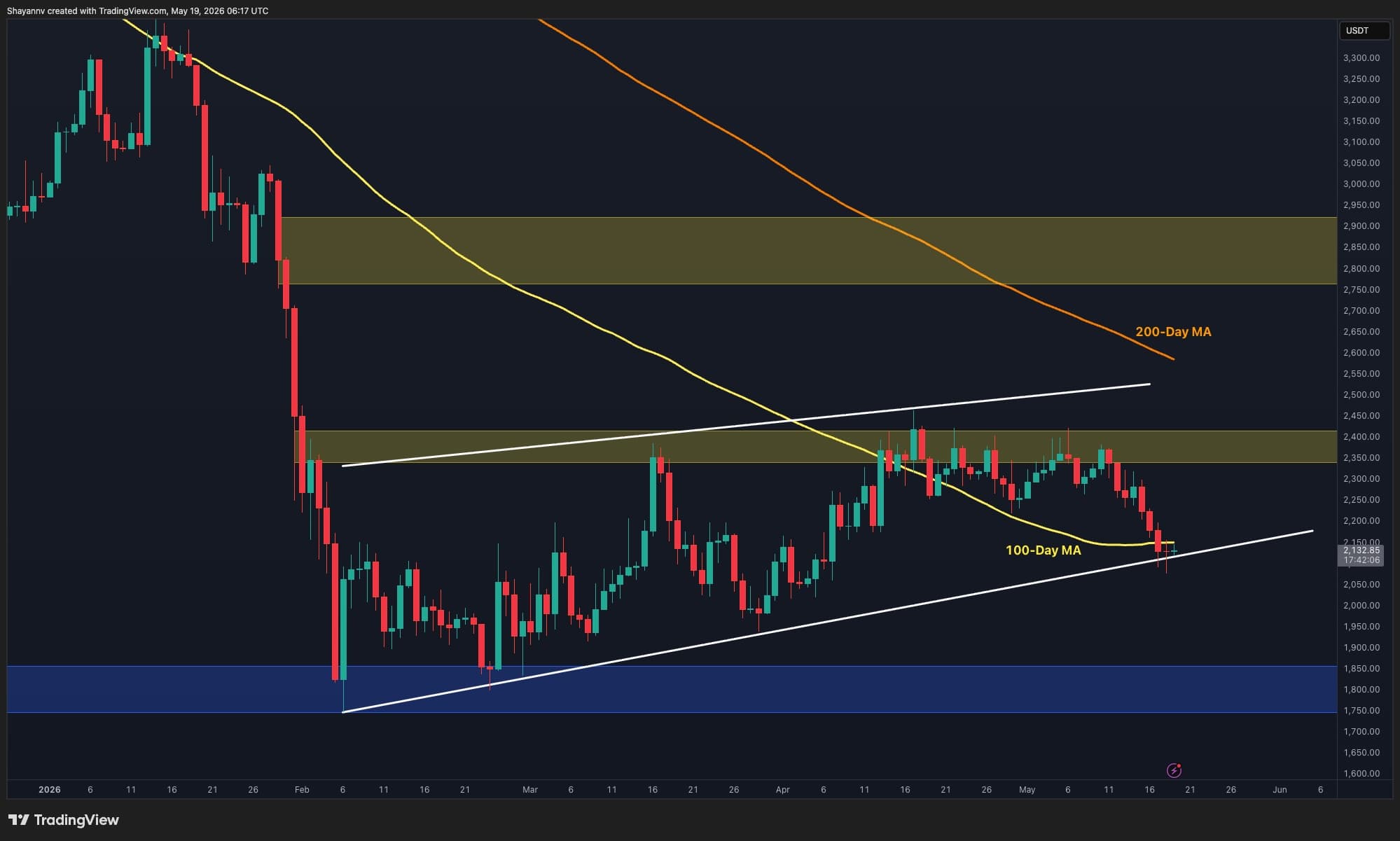
Ethereum struggles below $2.15K; is a drop to $1.8K next?
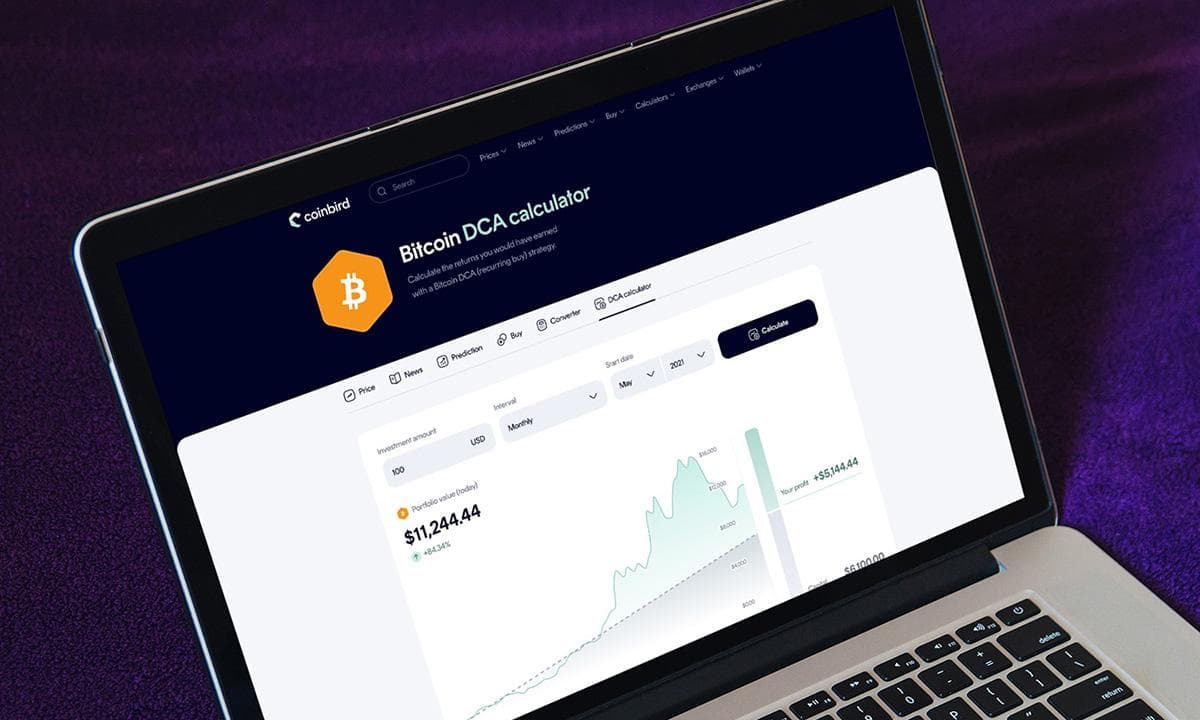
Investing $100 monthly in Bitcoin since 2015 could have turned $13,700 into $632,000.
See every story in Crypto — including breaking news and analysis.
“Out statute has a very broad definition of the term commodity and a very broad definition of the term swap,” Selig said.
During another flashy exchange, Selig appeared unable to tell the difference between an unlabeled sports bet and an unlabeled event contract pertaining to the same baseball game. Selig has aggressively claimed sports-related event contracts are different from gambling and should be under the CFTC’s purview, even as states across the country have sued on the basis they are one and the same.
“It’s clear to me you can’t tell [the difference], because the average consumer also can’t tell,” Rep. Gabe Vasquez (D-NM) said.
Pushback during today’s hearing did not come only from Democrats. Republican lawmakers also pressed Selig on the emergence of novel financial products they fear could damage the U.S. economy.
Rep. Austin Scott (R-GA), for instance, pressed Selig on the emergence of Hyperliquid, a popular decentralized exchange for perpetual futures—derivatives contracts with no expiration date, which allow traders to place indefinite wagers on commodity prices. Hyperliquid currently operates offshore, technically outside the CFTC’s purview.
Scott urged the CFTC to find a way to ensure Hyperliquid has to meet the same standards as regulated American futures exchanges—because the crypto platform’s tremendous popularity on key trades such as oil contracts, he said, could still have a dramatic impact on the domestic economy.
“If the volume that I’m seeing is correct,” he said, “it has the potential to be detrimental to the United States consumer.”
Selig has in recent weeks said he plans to dramatically expand the availability of perpetual futures trading to everyday traders, despite the risks posed by such financial products.